Home / Articles
Breast Pain Before Menopause: Causes & When to Worry
Home / Articles
Breast Pain Before Menopause: Causes & When to Worry
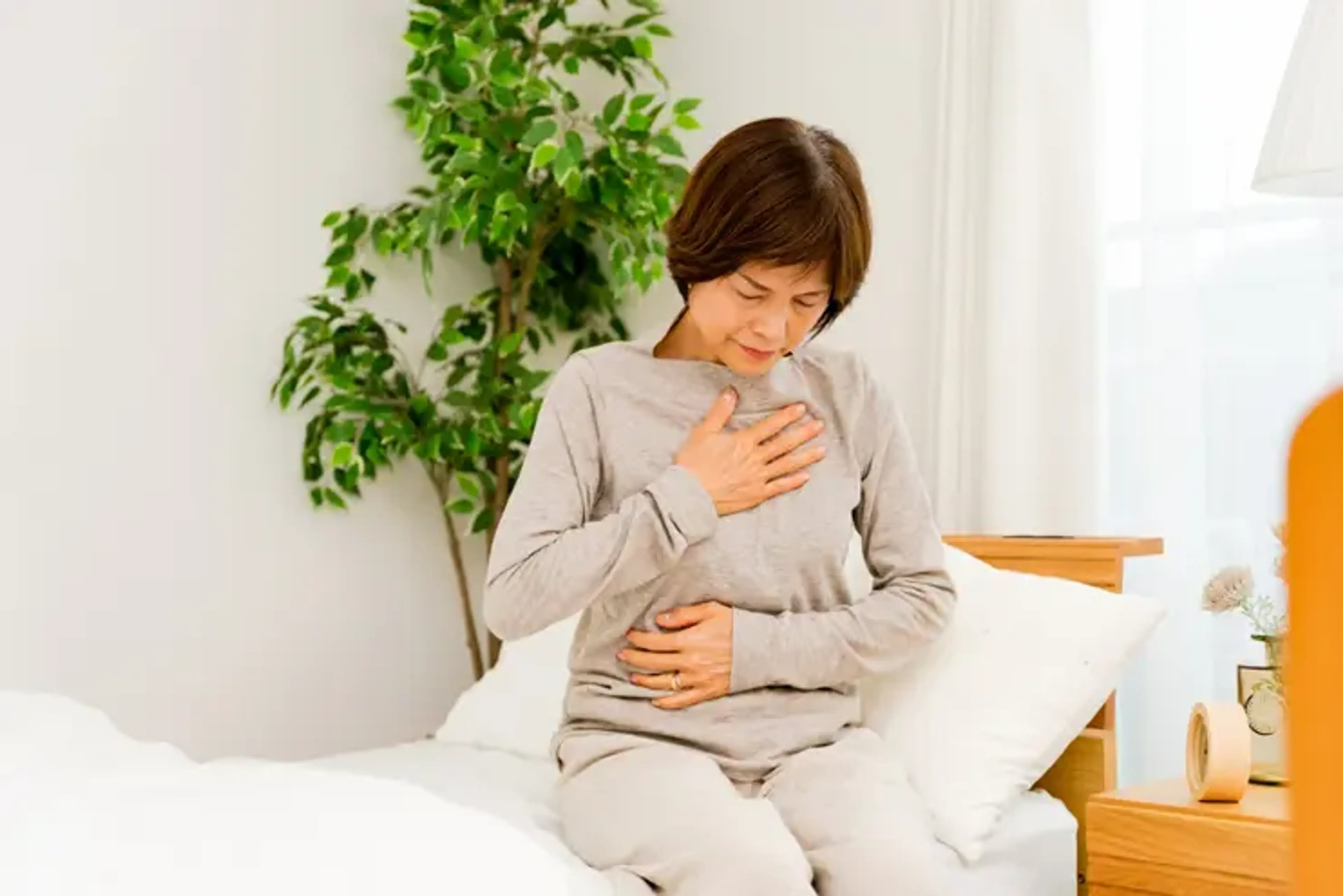
For many women, the years leading up to menopause—known as perimenopause—bring a wave of physical changes. One of the most common, yet least discussed, is breast pain. It's not just discomfort; for some, it sparks concern about breast cancer or other serious health issues.
Dr. Seon-Hwa Jeong, OB-GYN and founder of Second Spring Women’s Clinic in Seoul, explains, "Breast pain is a frequent complaint among women in their 40s. It’s often linked to hormone shifts, and while usually benign, it deserves thoughtful evaluation."
Estrogen and progesterone are the primary culprits. During perimenopause, these hormones spike and dip unpredictably. Estrogen encourages breast duct growth, while progesterone affects milk glands. The result? Swollen, tender, or achy breasts that may feel dense or heavy.
This pain tends to be dull, bilateral (both sides), and diffuse—unlike sharp or localized pain, which may indicate something more serious.
Breast tissue also becomes more sensitive due to these hormonal fluctuations. Even simple activities like lying on your stomach, exercising without support, or wearing tight bras can exacerbate discomfort.
Cyclic pain is tied to your menstrual cycle, usually appearing in the two weeks before a period and easing afterward. Though periods become irregular in perimenopause, this pattern may persist. Non-cyclic pain, by contrast, doesn’t follow a cycle. It might strike one breast, last longer, or appear suddenly. Causes range from hormonal shifts to fibrocystic breast tissue, injuries, or rarely, tumors.
While hormonal and benign structural changes account for most breast discomfort, a thorough evaluation must consider:
Mild, intermittent pain that feels familiar—especially if it aligns with hormonal cycles—is usually not a red flag. However, Dr. Jeong recommends seeking evaluation if you notice:
A lump that feels hard, fixed, or painless
Pain localized to one area that doesn’t subside
Bloody or spontaneous nipple discharge
Skin dimpling or nipple retraction
Swelling in one breast but not the other
"These symptoms don’t automatically mean cancer," says Dr. Jeong, "but they should be checked promptly."
Monthly breast self-exams help you notice what’s normal for your body. Use the flat parts of your fingers to gently check for lumps, thickening, or pain across the entire breast and armpit area. If your cycles are irregular, choose the same day each month.
Tracking symptoms in a journal can also reveal patterns. Note when pain occurs, its intensity, and possible triggers like stress or caffeine.
Skipping periods doesn’t mean your hormones have gone quiet. Ovulation may still happen irregularly, bringing the same breast sensitivity you had in your 30s. Persistent pain without a pattern, however, should be assessed by a professional.
Hormonal surges can still occur even if periods are absent for several months. Some women also experience anovulatory cycles—where estrogen still rises but ovulation doesn’t occur—leading to breast soreness.
Fibrocystic breast changes are among the most common reasons for breast pain in women in their 40s and early 50s. While the term might sound alarming, this condition is not dangerous. Instead, it describes a range of benign tissue changes influenced by fluctuating hormones.
The texture of your breast may feel lumpier or grainier than it did in younger years. Some women describe a sensation of fullness or heaviness, particularly before their period. The good news is that this type of discomfort often responds well to dietary changes, supportive bras, and stress reduction techniques.
When breast pain persists or other concerning symptoms arise, diagnostic imaging plays a critical role. Depending on your clinical exam and history, your doctor may recommend:
Dr. Jeong often includes hormone testing as part of a comprehensive breast evaluation, especially when symptoms fluctuate with cycles. Key hormones measured include:
Some women find that breast pain improves with hormonal therapy. Options include low-dose birth control pills, bioidentical hormones, or topical progesterone creams. However, these treatments should be guided by a specialist, especially during perimenopause when risks and benefits vary widely.
"Hormone therapy isn’t one-size-fits-all," Dr. Jeong cautions. "It’s about selecting the lowest effective dose for the shortest time needed."
There is growing evidence that nutritional strategies may help with breast discomfort. These include:
As always, consult your healthcare provider before starting any supplements.
Stress doesn't just affect your mind—it impacts your hormones. Chronic stress elevates cortisol, which can disrupt the balance of estrogen and progesterone. Practices such as:
Yoga or tai chi
Acupuncture
Therapy or support groups
can create meaningful improvements in breast symptoms and overall quality of life.
Around the world, researchers are paying more attention to perimenopausal symptoms, particularly those that affect quality of life but aren’t always dangerous. Breast pain falls into this category.
For example, a 2022 Korean study found that nearly 60% of women aged 45–54 reported moderate to severe breast tenderness during the year before menopause. International guidelines now encourage a more nuanced approach—acknowledging symptoms without overtreatment.
In South Korea, where societal pressures and beauty standards can affect how women perceive their breast health, it's crucial that care is delivered in a supportive, nonjudgmental way. Clinics like Second Spring Women's Clinic are responding to this need with culturally competent care that emphasizes education and autonomy.
If you experience:
New or worsening pain
Breast lumps that persist
Family history of breast cancer
High personal anxiety about symptoms
you may benefit from visiting a women’s health specialist. Dr. Jeong’s team provides detailed evaluations, clear explanations, and evidence-based recommendations tailored to each individual.
Breast pain before menopause is common—but not something you have to suffer through silently. Understanding your body, monitoring your symptoms, and seeking expert guidance can transform anxiety into action.
At Second Spring Women’s Clinic, women find not only medical answers but compassionate care designed for this unique life stage. Whether you're experiencing breast soreness, irregular cycles, or hormonal chaos, you're not alone—and you're not without options.