Home / Articles
Causes of Miscarriage & Expert Fertility Care in Seoul
Home / Articles
Causes of Miscarriage & Expert Fertility Care in Seoul
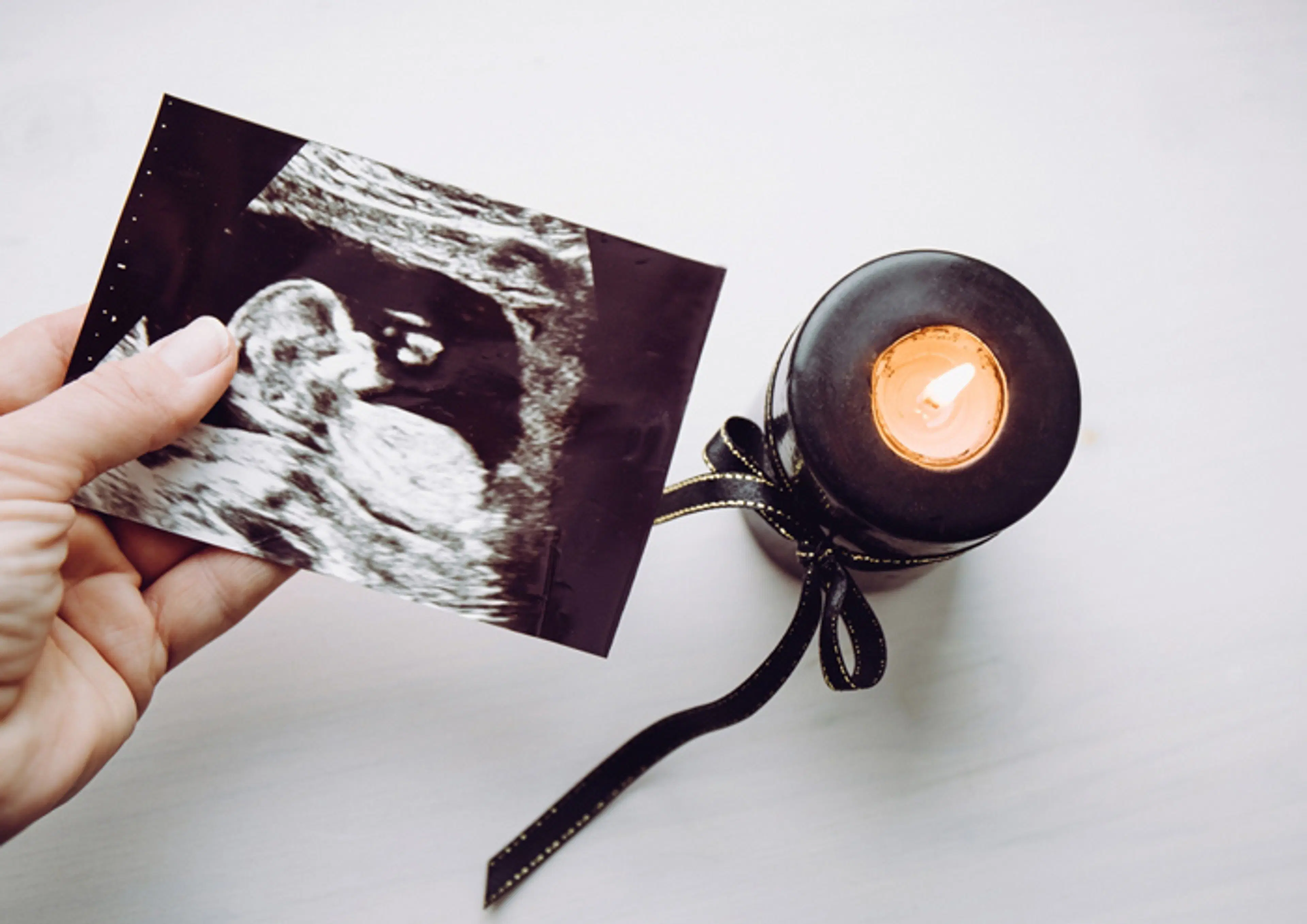
Miscarriage, often referred to as early pregnancy loss, is a deeply personal and emotionally challenging event. It affects approximately 10–20% of known pregnancies worldwide, though in reality, the number may be higher due to early unrecognized losses. Despite its frequency, miscarriage remains shrouded in silence, leaving many women and couples feeling isolated.
At Second Spring Women’s Clinic in Seoul’s Gangnam district, our mission is to bring clarity and compassionate care to those facing miscarriage. Under the leadership of OB-GYN and fertility specialist Dr. Seon-Hwa Jeong, our team offers state-of-the-art diagnostics and customized treatments grounded in medical science and patient-centered care. Below, we explore the five leading medical causes of miscarriage, while also offering hope for healing and future pregnancies.
More than half of first-trimester miscarriages are due to chromosomal abnormalities. These are not inherited faults but rather spontaneous errors that occur during fertilization. When an embryo receives too many or too few chromosomes, it often cannot survive.
Conditions such as trisomy (e.g., Down syndrome), monosomy, and triploidy disrupt normal development. At Second Spring, we provide karyotyping and offer preimplantation genetic testing (PGT) for couples experiencing recurrent miscarriage, helping reduce future risk during IVF.
Importantly, chromosomal miscarriages are not preventable. But they are also not your fault. Through transparent guidance and emotional support, we help patients navigate this journey with dignity and understanding.
We also collaborate with leading genetic labs in Korea and internationally, ensuring that patients receive high-precision results with minimal turnaround time. This allows us to integrate genetic counseling into treatment planning early, enhancing decision-making for IVF or natural conception.
The uterus must provide a stable, well-formed environment for implantation and fetal development. Structural issues like septate uterus, bicornuate shape, fibroids, or intrauterine adhesions can disrupt this process.
Approximately 15% of women with repeated miscarriages have a detectable uterine abnormality. At our clinic, advanced 3D ultrasound and hysteroscopy allow us to diagnose and often correct these issues through minimally invasive surgery, significantly improving pregnancy outcomes.
Our tailored approach considers each woman’s anatomy, surgical history, and reproductive goals, empowering patients from Korea and abroad with precise, effective care. For international patients, our care coordination team ensures a smooth surgical experience, including pre-travel screening, English-language post-op instructions, and remote follow-up.
Hormonal stability is crucial for a successful pregnancy. Key players like progesterone, thyroid hormones, and insulin all contribute to embryo implantation and growth. Low progesterone levels, thyroid dysfunction, PCOS, or uncontrolled diabetes can compromise these early processes.
Second Spring conducts thorough endocrine evaluations—including luteal progesterone checks, thyroid panels, and metabolic screening—to diagnose subtle imbalances. When needed, we prescribe hormone therapy, metformin, or thyroid supplements, alongside nutrition and stress-reduction plans.
Additionally, our team works closely with functional medicine experts and nutritionists to design holistic recovery plans. These plans may include acupuncture, customized supplements, and anti-inflammatory diets aimed at restoring endocrine harmony naturally.
With individualized care and close monitoring, many women with hormonal conditions go on to carry healthy pregnancies.
While rare, immune system dysfunction can hinder implantation or disrupt placental development. In antiphospholipid syndrome (APS), the body forms abnormal blood clots that affect fetal blood flow. Other conditions like lupus, Hashimoto’s thyroiditis, and celiac disease can trigger inflammation or attack embryonic tissue.
Our immune evaluations include testing for ANA, antiphospholipid antibodies, and inflammatory markers. Collaborating with specialists, we may recommend therapies such as aspirin, heparin, or immune modulators. Many of our patients with autoimmune challenges have gone on to deliver healthy babies.
We also participate in regional clinical networks focusing on reproductive immunology, allowing our patients access to the most current protocols, including IVIG therapy and cytokine testing when appropriate.
While most miscarriages stem from biological causes, lifestyle choices may also contribute. Modifiable factors include:
Second Spring offers integrated wellness services, from nutritional counseling to mental health support, to help patients optimize their fertility health in realistic, sustainable ways. Our clinic partners with certified Korean and international health coaches to ensure cultural and dietary alignment with each patient’s lifestyle.
We also promote workplace wellness education and preconception screening programs through local employers and embassies, supporting community-wide reproductive health.
Understanding complex reproductive issues can feel overwhelming. That’s why we use:
3D reproductive diagrams
Hormone cycle timelines
Chromosomal infographics
Ultrasound visuals of uterine corrections
Risk factor charts separating modifiable vs. non-modifiable elements
These tools not only educate but help women reclaim agency over their reproductive journey.
We recently introduced digital consultation tablets where patients can annotate diagrams with their clinician, creating a shared understanding and more confident decision-making.
We’re not just a medical center—we’re a place of renewal. Women choose Second Spring because we combine:
Most importantly, our patients describe feeling seen, supported, and hopeful again. That’s the Second Spring difference.
Many also note the warmth of our multilingual team and the tranquil design of our clinic—features that transform medical visits into moments of calm and confidence.
Miscarriage is both a medical event and a deeply emotional experience. At Second Spring Women’s Clinic, we don’t offer platitudes—we offer clarity, science, and care that truly understands your journey. Whether you’re grieving a loss or planning for your next pregnancy, we invite you to begin your healing with us.
Our vision is simple: empower every woman with knowledge, equip her with options, and embrace her with compassionate care. Because every journey deserves a second spring.