Home / Articles
Clitoral Plastic Surgery in Korea: Comfort, Confidence & Care
Home / Articles
Clitoral Plastic Surgery in Korea: Comfort, Confidence & Care
Clitoral plastic surgery is an evolving branch of cosmetic gynecology designed to enhance comfort, function, and self-confidence for women seeking change in their intimate health. Rather than simply offering a cosmetic fix, this procedure can address chronic discomfort, hygiene challenges, and reduced sexual satisfaction—making it a deeply personal and potentially transformative choice.
While cosmetic gynecology has gained broader acceptance globally, South Korea is setting a new standard by integrating high-level surgical skill with empathetic care. This nuanced approach ensures that procedures are not only medically sound but also emotionally validating for each patient.
South Korea's rise as a destination for intimate surgeries like clitoral plastic surgery stems from its medical precision, cultural openness, and skilled experts like Dr. Seon Hwa Jeong of Second Spring Women’s Clinic. Dr. Jeong, a recognized specialist in cosmetic gynecology, leads her clinic with a patient-first philosophy, integrating high-level surgical expertise with cultural sensitivity.
"We listen carefully to each woman’s story, not just their symptoms," says Dr. Jeong. "Every procedure is a tailored journey of restoration and empowerment."
Clitoral plastic surgery encompasses surgical techniques aimed at improving the anatomy and function of the clitoral area. While some patients seek enhancement for aesthetic reasons, many undergo surgery to resolve medical issues or restore normalcy after trauma.
Increasingly, these procedures are becoming recognized for their legitimate medical value, particularly in addressing chronic irritation, pain during intercourse, or emotional distress.
Activities like biking or wearing tight clothing can be painful due to excess tissue. Surgery can significantly reduce irritation and friction, enhancing comfort during day-to-day tasks.
Fewer skin folds help minimize moisture buildup, reducing the risk of bacterial or fungal infections. Patients often report fewer issues with odors and irritation post-surgery.
Improved clitoral exposure may heighten sensitivity and pleasure. While individual outcomes vary, many women note enhanced intimacy with their partners and a renewed sense of body positivity.
Women who feel self-conscious or anxious about their intimate areas often describe a post-surgical boost in self-esteem and peace of mind. These improvements frequently translate into stronger interpersonal relationships and improved mental health.
In cases of clitoral reconstruction, the surgery may restore a sense of bodily autonomy and femininity that was lost due to trauma or cultural practices. This often has profound emotional significance for survivors.
South Korea’s reputation in aesthetic medicine is backed by its world-class infrastructure and culture of innovation. At the forefront is Dr. Seon Hwa Jeong, whose credentials include fellowships in maternal-fetal medicine and fertility preservation, as well as a research background from Seoul National University.
Her clinic, Second Spring Women’s Clinic, represents a new paradigm in women’s health—one where medical sophistication is matched by emotional empathy and individualized care.
A changing cultural landscape in Korea has led to increased openness about women’s sexual health, making such procedures more accepted and accessible. South Korea’s progressive approach is resonating with international patients, particularly those from regions where intimate surgeries may still be stigmatized or unavailable.
This shift is reflected in both patient behavior and clinical practice. More women are voicing their concerns about genital discomfort and exploring surgical options that were once taboo.
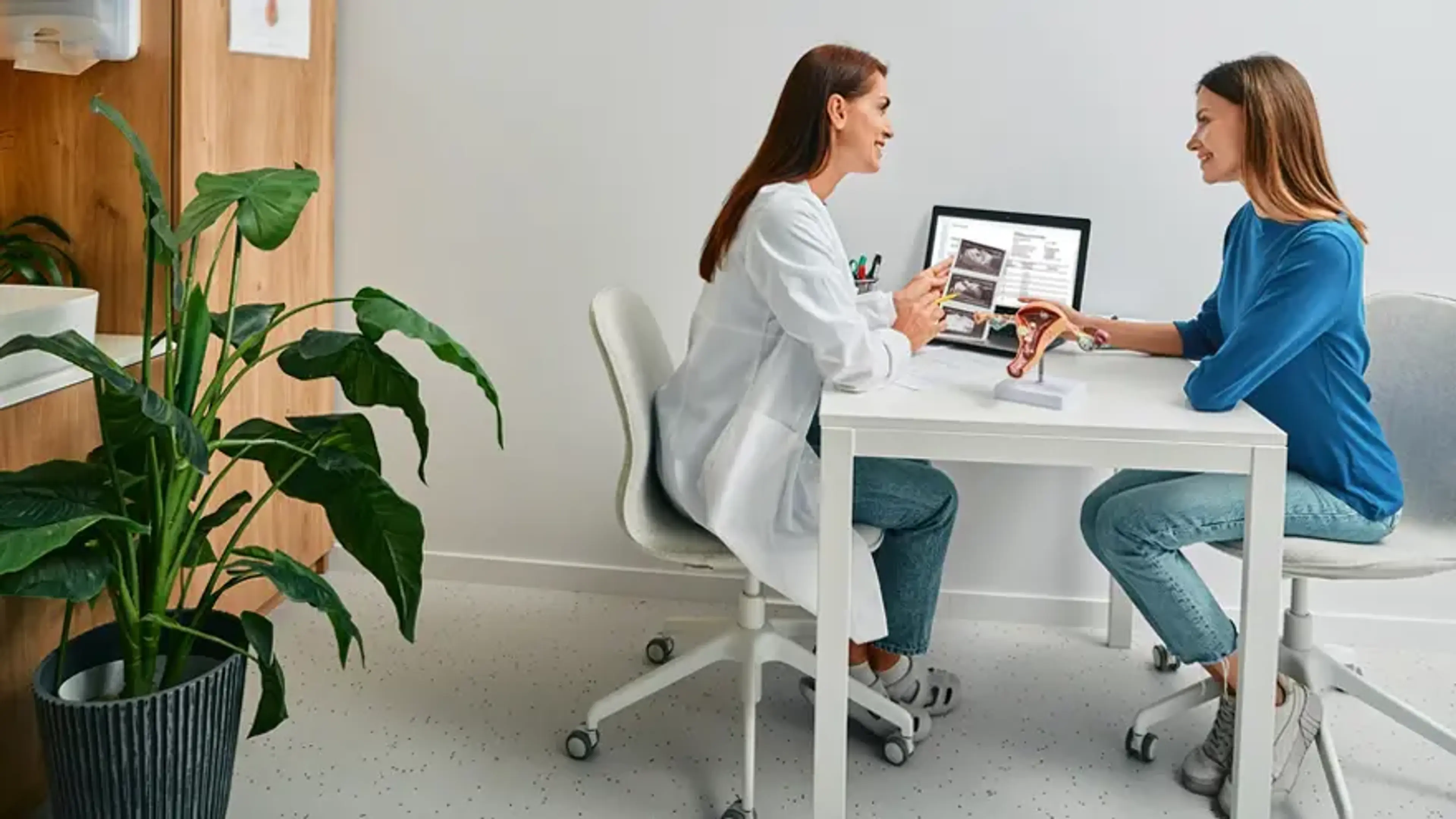
The path to clitoral surgery begins with a one-on-one consultation—a time for open dialogue and thorough assessment.
Procedures typically last between 60 to 90 minutes. Post-op recovery begins immediately, with nurses monitoring vital signs and offering emotional reassurance.
Patients are observed post-surgery and given pain relief and wound care instructions.
Most can return home the same day with a support companion.
Improved daily comfort
Enhanced sexual sensitivity
Better hygiene
Boost in self-esteem and emotional well-being
Outcomes vary based on individual anatomy and expectations, but the majority of patients report high satisfaction.
Dr. Jeong and her team emphasize that healing is not just physical.