Home / Articles
Endometriosis and Fertility: What You Need to Know
Home / Articles
Endometriosis and Fertility: What You Need to Know
Endometriosis is a complex condition affecting roughly 1 in 10 women of reproductive age. More than just painful periods, endometriosis can quietly interfere with fertility—often without a woman realizing it until she begins trying to conceive.
At Second Spring Women’s Clinic, we specialize in helping women understand the full scope of endometriosis and support them through evidence-based treatments, fertility preservation, and emotional care.
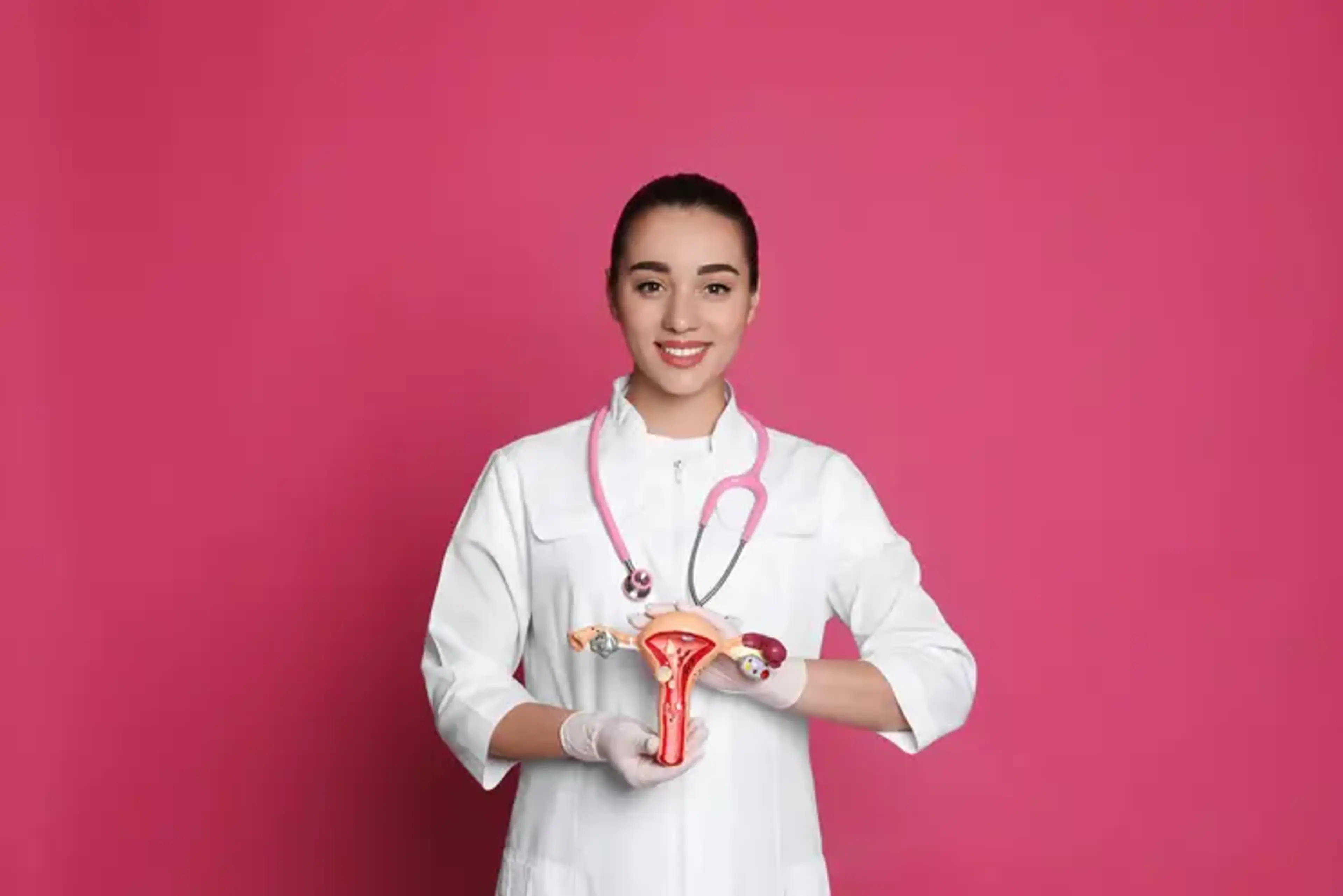
Endometriosis happens when tissue similar to the uterine lining grows outside the uterus, where it doesn't belong. These rogue growths can cause inflammation, scarring, and damage to reproductive organs—all of which may complicate or delay conception.
According to Dr. Karen Liu, board-certified reproductive endocrinologist at Second Spring, "We see many women who had no idea their painful periods or bloating were signs of something that could affect fertility. Early diagnosis can make a huge difference in long-term outcomes."
Here are the main ways endometriosis impacts your chances of getting pregnant:
Even in its milder forms, endometriosis can impair fertility. Adhesions or small lesions on the ovaries or fallopian tubes might not cause overt symptoms but can still impact egg quality and the ability of the egg and sperm to unite.
Endometriosis is categorized into four stages:
The higher the stage, the more likely fertility is compromised. Yet, it's worth noting that even women with Stage I may face fertility challenges, depending on the lesion locations and the body's inflammatory response.
In many cases, yes. IVF (in vitro fertilization) offers a workaround for damaged tubes and inflammation. At our clinic, we customize IVF protocols based on your specific hormone levels, ovarian reserve, and stage of endometriosis.
While national IVF success rates can be slightly lower in women with severe endometriosis, studies and our internal data suggest that pre-treatment with surgery or anti-inflammatory protocols can improve outcomes.
To improve IVF outcomes in patients with endometriosis, we often recommend:
If you're not ready to get pregnant but have been diagnosed with endometriosis, freezing your eggs now can be a smart step. Egg quality and ovarian reserve decline faster in women with this condition, even in their 20s or early 30s.
"Egg freezing buys you time," says Dr. Liu. "It gives you reproductive flexibility, especially if you're still exploring your life path or waiting for the right circumstances to start a family."
We also offer:
One of our patients, Maria, was diagnosed at 28 with Stage III endometriosis. After egg freezing and laparoscopic surgery to remove lesions, she returned two years later for IVF—and is now a proud mother of twins.
Another patient, Janelle, 35, had three failed IUIs before coming to Second Spring. After switching to a tailored IVF plan and completing hormone balancing therapy, she conceived on her first cycle.
We collaborate with top pelvic surgeons in minimally invasive gynecology for optimal outcomes.
Endometriosis affects more than just the reproductive organs. That’s why we also offer:
Reducing chronic inflammation, managing stress, and balancing blood sugar can all positively affect fertility.
If you're actively trying to conceive with endometriosis, tracking ovulation can be tricky. Endometriosis often leads to unpredictable cycles. We recommend:
At Second Spring, we use advanced cycle monitoring to guide treatment and optimize timing.
We don’t offer cookie-cutter fertility plans. Every woman’s experience with endometriosis is different, which is why we take a deeply individualized approach. Our multidisciplinary team includes fertility specialists, pelvic surgeons, dietitians, and mental health counselors.
Plus, consultations at our clinic are always one-on-one, never rushed. We believe in empowering our patients with both information and empathy.
We also partner with national endometriosis research networks and stay at the forefront of emerging treatments, including immunomodulators and stem cell therapy.
If you’ve been struggling with unexplained infertility or were recently diagnosed with endometriosis, don’t wait. Schedule a consultation with Second Spring Women’s Clinic and explore your personalized treatment options—from advanced IVF to proactive fertility preservation.
With the right care and timely intervention, endometriosis doesn’t have to stand in the way of your dream of parenthood.