Home / Articles
Holistic Vaginal Health: Expert Tips & Natural Solutions
Home / Articles
Holistic Vaginal Health: Expert Tips & Natural Solutions
"After menopause, daily dryness left me feeling disconnected from my body—until I discovered a gentle yet effective routine grounded in food, movement, and care," shares Maria, age 57, a recent patient of Dr. Linh Tran at Second Spring Women’s Clinic. Her story illustrates how holistic approaches can bring meaningful relief.
Vaginal health is much more than hygiene or appearance—it's deeply tied to a woman's self-confidence, intimacy, and quality of life. Women often endure symptoms like itching, odor, or dryness silently, unsure of what's normal or how to talk about it. At Second Spring, Dr. Tran and her team strive to change that narrative, focusing on education, prevention, and integrative care that empowers women through all life stages.
There’s increasing recognition that vaginal health begins in the gut. A robust digestive system supports nutrient absorption, immune function, and the production of beneficial bacteria that also populate the vaginal canal.
Blueberries, spinach, kale, and citrus provide vitamin C and polyphenols, which uplift immune defenses. These nutrients help fight off harmful bacteria and reduce inflammation, which is particularly important during hormonal changes like menopause or postpartum.
In addition to drinking 8+ glasses of water daily, water-rich foods like cucumbers, celery, and watermelon help keep mucosal tissues moist. Dehydration is a common but overlooked factor in vaginal dryness.
Salmon, walnuts, flaxseed, and chia seeds offer anti-inflammatory effects that reduce irritation and support hormone regulation. Omega-3s also promote collagen production, which maintains vaginal wall elasticity.
Dr. Tran reminds readers: “Food is a foundational tool—not just a fix—but when paired with probiotics and adequate water, it can improve recurrence rates of infections.”
Several clinical studies also suggest that oral probiotics can influence vaginal flora within just two weeks, especially when combined with a high-fiber diet and reduced sugar intake.
Cleanliness is crucial—but overdoing it can backfire. Excessive scrubbing, fragranced wipes, and daily douching can disrupt the vaginal microbiome and lead to inflammation.
Gently cleanse the external vulvar area with warm water and a fragrance-free, pH-balanced wash.
Choose 100% cotton underwear and change quickly after swimming or sweating.
Insert douches, scented sprays, or harsh soaps—these can disturb flora and pH long-term.
Over-wash; wiping front to back with minimal suds is enough.
Dr. Tran advises women to “treat the vulva like the sensitive skin on your face—gentle care goes a long way.”
Beyond addressing urinary control, pelvic floor exercises contribute to blood flow, tissue tone, and sexual satisfaction. Patients who commit to a daily 5-minute Kegel routine under guidance report improved comfort and confidence in just a few weeks.
In addition to Kegels, yoga-based movements like bridges, squats, and deep core engagement can strengthen pelvic support. Dr. Tran often refers women to pelvic physical therapists for personalized regimens, particularly after childbirth or during menopause.
Infections aren’t always avoidable, but risk can be minimized by staying dry, balanced, and well-nourished.
If you notice itching, unusual discharge, or odor that doesn’t resolve, consult a clinician to rule out STIs, yeast, or bacterial imbalances.
Vaginal dryness can result from estrogen decline, dehydration, stress, or harsh hygiene products. Relief often comes from a layered approach:
Second Spring also offers natural topical compounds like vitamin E suppositories or estrogen-free botanical creams designed for menopausal dryness.
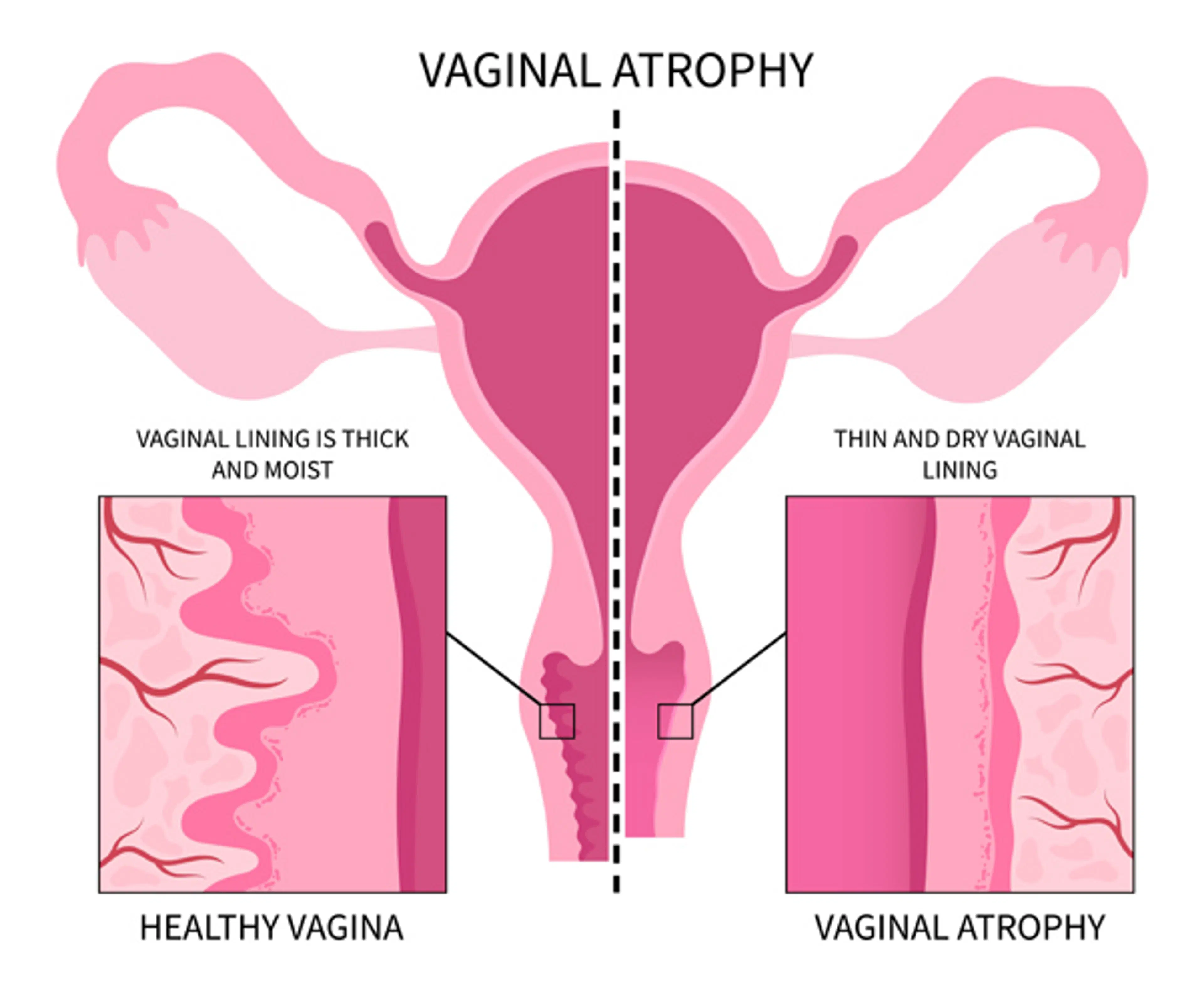
Estrogen underpins vaginal health by maintaining tissue thickness and lubrication. Women in menopause, breastfeeding, or experiencing hormonal fluctuations may suffer dryness or thinning.
Natural hormone modulators like black cohosh, red clover, and maca root can support hormone balance, though results vary. Dr. Tran uses lab testing to guide supplement recommendations and rule out underlying thyroid or adrenal causes.
Regular aerobic exercise also improves blood flow to the pelvic region and supports tissue regeneration.
Safe intimate practices—like using condoms when appropriate and cleansing before and after intercourse—can reduce the risk of irritation or infection. Dr. Tran recommends scheduling a gynecological exam every 12 months—or earlier if you notice changes in discharge, odor, itching, or pain. These visits help catch early signs of infection, pH shifts, or tissue changes.
Sexual pain or discomfort should never be ignored—many causes are treatable, and early intervention can prevent long-term dysfunction.
Dr. Tran often combines laser therapy with:
This integrated approach has helped many women regain comfort, sensitivity, and confidence.