Home / Articles
HPV Vaccine & Cervical Cancer: What You Need to Know
Home / Articles
HPV Vaccine & Cervical Cancer: What You Need to Know
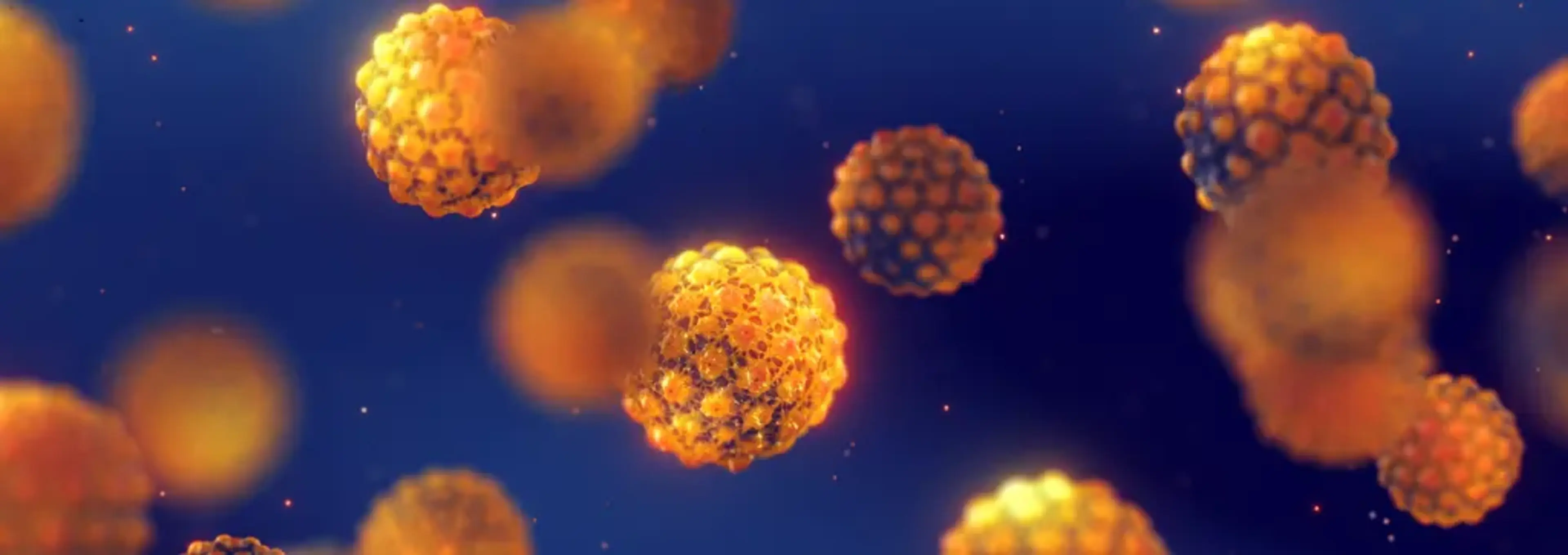
Human Papillomavirus (HPV) is not just one virus—it’s a family of over 200 viruses, some of which are harmless, while others pose serious health risks. Among these, HPV types 16 and 18 are the most notorious, accounting for nearly all cases of cervical cancer. Once inside the body, these high-risk strains can alter cervical cells, sometimes progressing to cancer if left unchecked.
HPV is extremely common. According to the CDC, nearly all sexually active people will encounter HPV at some point. In most cases, the immune system clears it naturally. But persistent infection can lead to precancerous changes in the cervix, emphasizing the need for regular screening and preventive care.
Cervical cancer doesn’t happen overnight. It begins when high-risk HPV strains linger in the cervical tissue, causing abnormal cell growth known as dysplasia. If this goes unnoticed or untreated, it can develop into cervical cancer over several years.
Dr. Melissa Hart, OB-GYN at Second Spring Women’s Clinic, explains: “Early detection is key. With routine Pap tests and HPV screening, we can catch changes before they become dangerous.”
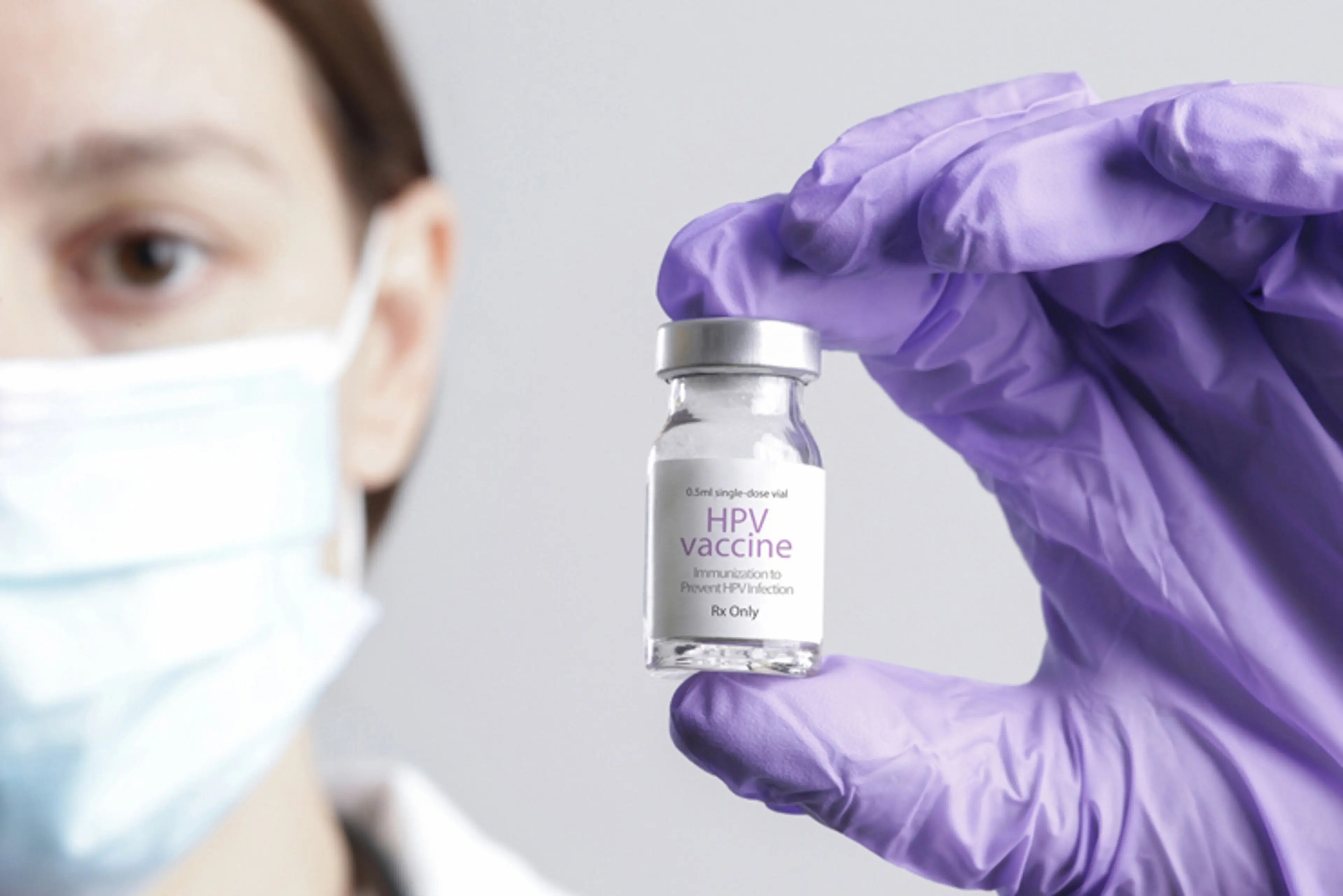
Vaccination adds a powerful layer of protection. When given before exposure to the virus, the HPV vaccine significantly reduces the risk of cancer later in life.
Unlike traditional vaccines made from live viruses, the HPV vaccine uses virus-like particles (VLPs) to train the immune system. These VLPs mimic the virus's outer shell but contain no genetic material, making them safe and effective.
Gardasil 9, the most widely used vaccine today, protects against nine HPV types, including 16 and 18. It is typically administered in two or three doses, depending on the patient's age at the start of the series.
Dr. Hart emphasizes, “The ideal time for vaccination is between ages 11 and 12, but we routinely vaccinate patients up to age 26, and in some cases, up to age 45.”
Vaccinating before exposure offers the highest protection. That's why the CDC recommends starting the HPV vaccine series around ages 11 or 12 for all genders. Teens who begin later may need a third dose to build strong immunity.
Adults between 27 and 45 can still benefit, especially if they haven’t been exposed to all the high-risk strains. At Second Spring Women’s Clinic, each patient receives a tailored plan based on their health history and lifestyle.
Recent data from Oregon Health Authority shows an encouraging trend: HPV-related cervical abnormalities have decreased among vaccinated populations in the state. This mirrors global findings showing up to a 90% reduction in cervical cancer incidence in countries with robust vaccination programs.
One patient at our clinic, 24-year-old Alyssa M., shared her story: “I got vaccinated in college after talking to my doctor. Knowing I took a step to prevent cancer gives me peace of mind.”
HPV doesn't only affect the cervix. The virus is also linked to cancers of the throat, anus, penis, and vulva. Men are often unaware they can develop HPV-related conditions. Gardasil 9 protects against several types of HPV that cause these cancers.
For example, oropharyngeal cancers—located in the back of the throat—are rising among men in the U.S., many of which are linked to HPV. The vaccine's role in preventing these less-publicized cancers is becoming increasingly critical.
Parents of boys may be less likely to prioritize HPV vaccination, assuming it’s only necessary for girls. But healthcare professionals stress the vaccine is equally important for everyone. Broad immunization reduces community transmission and provides herd protection.
One concern we often hear at Second Spring Women’s Clinic is whether the vaccine could impact fertility. Research clearly shows that the HPV vaccine does not affect fertility. In fact, by preventing HPV infections and the need for procedures like cervical biopsies or excisions—which can complicate future pregnancies—the vaccine may help protect reproductive health.
Bringing patient stories to the forefront can help demystify the HPV vaccine. Here are a few voices from our community:
While countries like the U.S., Australia, and the U.K. have seen drops in cervical cancer rates due to vaccination, many low- and middle-income nations still struggle with access. Organizations like Gavi and WHO are working to close these gaps through affordable global vaccine initiatives.
Second Spring Women’s Clinic supports international advocacy efforts and encourages local patients to consider donating to HPV awareness campaigns or vaccine drives abroad.
Many patients are unsure if their insurance covers the HPV vaccine. The good news is that most U.S. insurance plans, including Medicaid, cover it under preventive care. At our clinic, we help patients navigate insurance claims, and we also offer payment plans for those without coverage.
Vaccination is powerful—but it’s not a standalone solution. Combining the HPV vaccine with routine Pap tests, HPV testing, safe sexual practices, and smoking cessation creates a robust defense against cervical and other cancers.
Our clinic educates patients on lifestyle factors that affect HPV risk. For example, smoking weakens the immune system’s ability to fight HPV infections. Similarly, long-term use of oral contraceptives may slightly increase the risk of cervical cancer, making screenings even more essential.
Clinical trials are exploring single-dose vaccine efficacy, which could simplify immunization logistics globally. Scientists are also researching therapeutic vaccines that could treat existing HPV infections, not just prevent them.
The potential for combining HPV vaccines with other STI vaccines, such as those for herpes or HIV, is being explored. These innovations could transform sexual health in the coming decades.
Parents are crucial decision-makers when it comes to preteen vaccinations. Yet, misinformation and hesitation persist. That’s why we host regular information nights at Second Spring Women’s Clinic to answer parent questions, share current science, and build confidence in vaccine safety.
We also encourage open conversations between parents and teens about HPV, relationships, and long-term health. An informed approach can reduce stigma and promote healthy decision-making.
The HPV vaccine represents one of the greatest advancements in cancer prevention. It’s a tool that not only saves lives but also empowers people to take control of their future health.
At Second Spring Women’s Clinic, we see HPV prevention as a shared mission. Whether you’re a parent, a teen, or an adult considering the vaccine, we’re here to guide you with empathy, expertise, and evidence.
Your health is a journey. Let’s take the next step together.