Home / Articles
HPV Vaccine and Fertility: What Women Should Know
Home / Articles
HPV Vaccine and Fertility: What Women Should Know
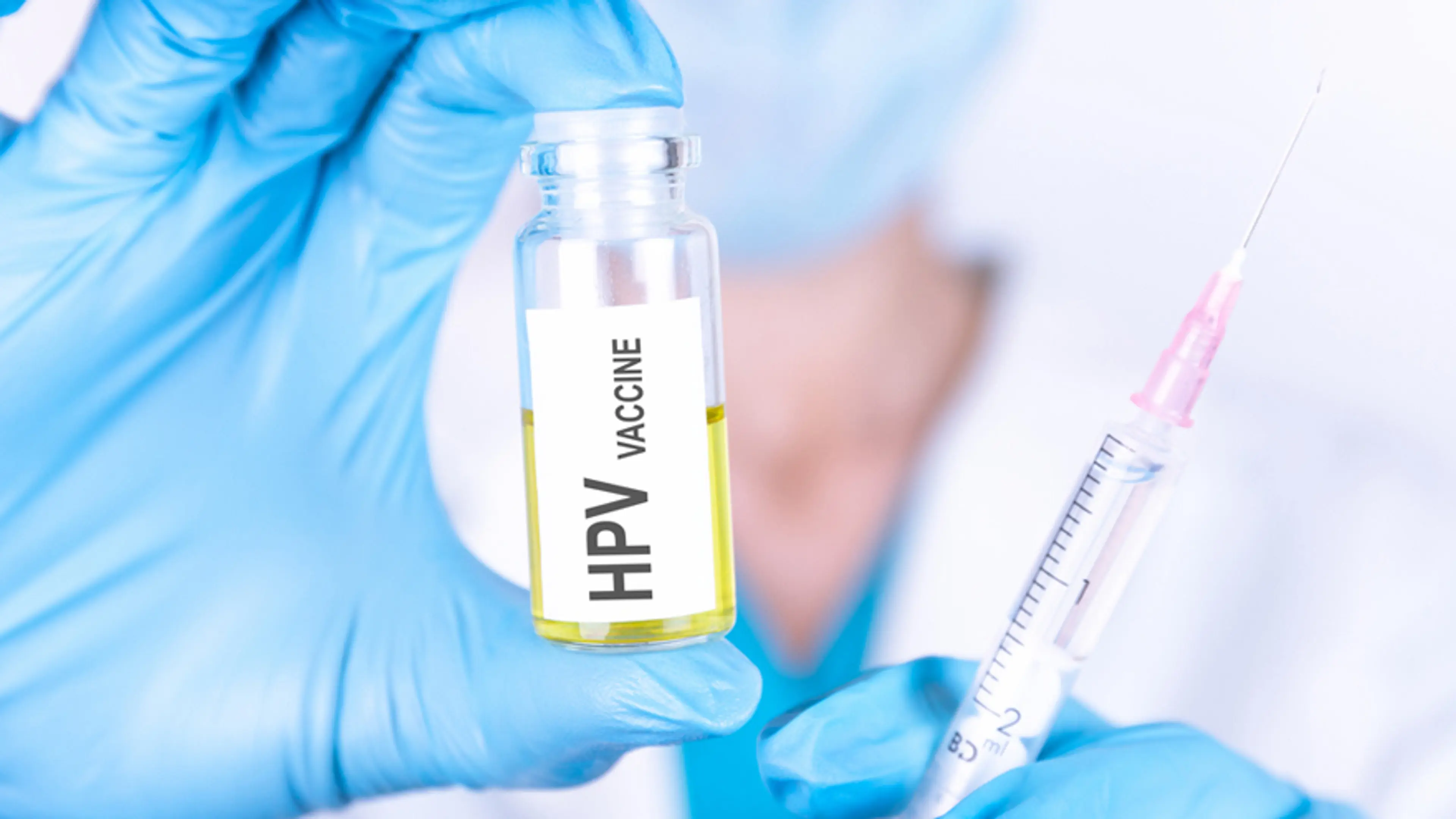
The human papillomavirus (HPV) vaccine is a powerful tool in the prevention of multiple cancers, especially cervical cancer. Available under brand names like Gardasil and Cervarix, the vaccine works by training the immune system to recognize and neutralize high-risk strains of HPV before an infection can take hold. It is most effective when given between the ages of 9 and 12—well before potential exposure to the virus through sexual activity.
HPV is the most common sexually transmitted infection globally, and most sexually active individuals will contract it at some point in their lives. While many infections clear on their own, some persist and can cause genital warts or progress into various cancers, including cervical, anal, penile, and oropharyngeal cancers. The vaccine targets the most harmful strains—primarily HPV types 16 and 18—that account for about 70% of cervical cancer cases.
By immunizing children before they become sexually active, parents provide long-term protection for their future health. The vaccine is also approved for use in individuals up to age 45, though it’s most effective when administered earlier in life.
Concerns about the HPV vaccine's effect on fertility remain common, but they are scientifically unfounded. As Dr. Elaine Torres, OB-GYN and women’s health advocate, explains: "There’s no biological mechanism through which the vaccine could impact fertility. It does not interact with reproductive organs or hormone systems."
Extensive studies, including reviews published by the CDC and WHO, confirm that the vaccine does not impair the ability to conceive. Misinformation often stems from online myths or unrelated fertility struggles that happen to coincide with vaccination. It’s vital to rely on peer-reviewed science and trusted healthcare sources rather than anecdotal accounts when making health decisions.
One review published in the Journal of Adolescent Health evaluated the fertility outcomes of thousands of women and found no increased risk of infertility among those who received the HPV vaccine. In fact, by protecting against cervical abnormalities and the need for invasive procedures, the vaccine may help safeguard a woman's future fertility.
With over 100 million doses administered worldwide, the HPV vaccine has been closely monitored for safety. Clinical data repeatedly affirms its excellent safety record, showing that side effects are typically mild—such as temporary arm soreness or low-grade fever. Serious adverse reactions are exceedingly rare.
Organizations like the CDC, WHO, and the American College of Obstetricians and Gynecologists (ACOG) stand firmly behind the vaccine’s safety, reiterating that it has no negative impact on fertility or pregnancy outcomes.
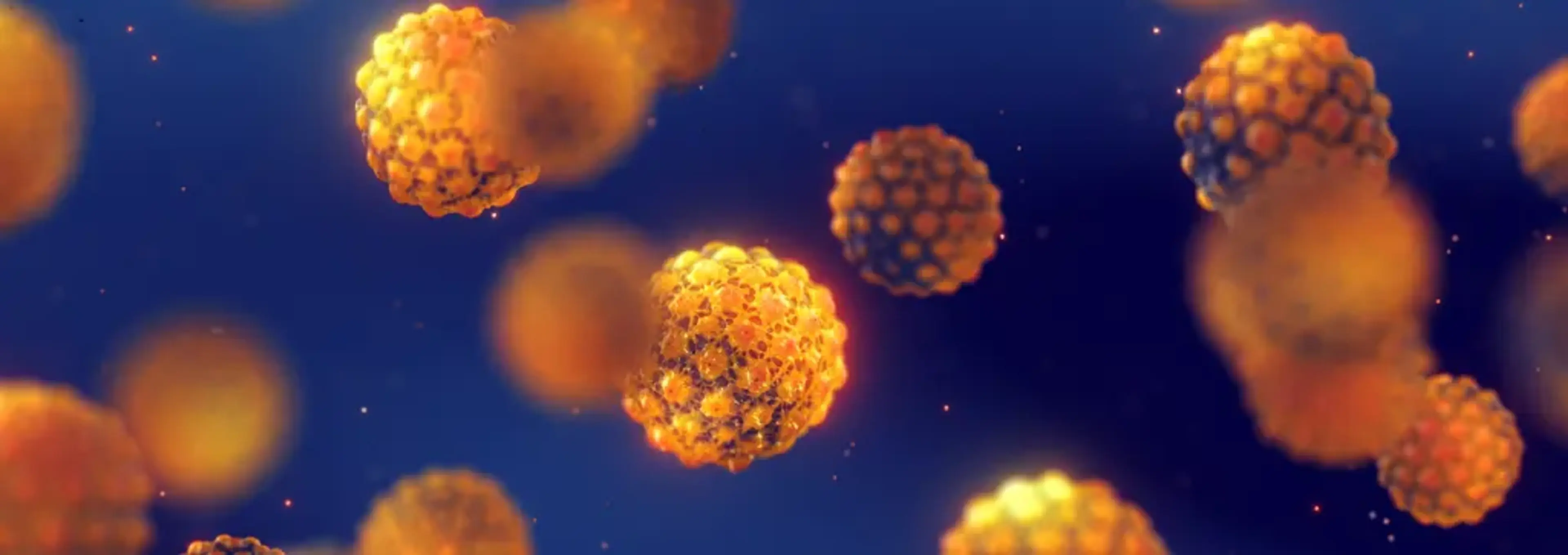
The vaccine is composed of virus-like particles (VLPs), which mimic the outer shell of the virus but contain no genetic material, making it impossible for the vaccine to cause infection. This structure allows the immune system to build a strong defense without ever being exposed to the actual virus.
While the vaccine itself doesn’t affect fertility, untreated HPV infections certainly can. Persistent HPV can lead to cervical cancer or precancerous changes that may require interventions such as surgery or radiation—treatments known to compromise reproductive function.
For instance, procedures like a LEEP (loop electrosurgical excision procedure) or a cone biopsy may be necessary to remove abnormal cervical tissue. While these interventions are often life-saving, they can weaken the cervix, increasing the risk of miscarriage or preterm labor.
Radiation therapy and chemotherapy, commonly used in advanced cervical cancer treatment, can directly damage the ovaries and reproductive organs, potentially leading to permanent infertility. By preventing the need for these treatments, the HPV vaccine indirectly protects reproductive capability.
Current guidelines advise against administering the HPV vaccine during pregnancy—not due to known risks, but because sufficient clinical data is lacking. However, if a woman is vaccinated before knowing she’s pregnant, there's no cause for alarm. Studies have not linked the vaccine to poor pregnancy outcomes.
Women planning to become pregnant are encouraged to complete the vaccine series beforehand or wait until after childbirth. As always, consult your healthcare provider for guidance tailored to your reproductive timeline.
Dr. Maria Henderson, a maternal-fetal medicine specialist, explains: "The vaccine has been studied in pregnant populations by accident—meaning people vaccinated before knowing they were pregnant—and no harm has been observed. Still, we recommend waiting as a precaution."
Women diagnosed with HPV may still benefit from the vaccine, as it can protect against additional strains. Moreover, fertility preservation options—including egg freezing—should be discussed with a reproductive endocrinologist if treatment for cervical abnormalities is required.
Dr. Angela Lin, a reproductive specialist at Second Spring Women’s Clinic, notes: "Early intervention and ongoing protection from the vaccine can help women avoid more invasive procedures that threaten fertility. We often counsel patients on fertility preservation when they're undergoing treatment for high-grade cervical lesions."
Women who have undergone surgery or treatment for cervical dysplasia may be monitored more closely during pregnancy. Fortunately, many go on to have healthy pregnancies with appropriate medical support.
Countries like Australia have seen dramatic drops in cervical cancer rates following widespread HPV vaccination programs. Australia is on track to virtually eliminate cervical cancer as a public health concern within the next decade due to its comprehensive school-based vaccination and screening efforts.
The global push has led to improved reproductive outcomes and longer, healthier lives for millions of women. The WHO has called for the elimination of cervical cancer through its 90-70-90 targets: 90% of girls fully vaccinated with the HPV vaccine by age 15, 70% of women screened by age 35 and again by 45, and 90% of women with cervical disease receiving treatment.
As the vaccine becomes more accessible, its influence on public health continues to grow. From rural clinics to urban hospitals, it is reshaping the landscape of women’s healthcare, particularly in low- and middle-income countries where cervical cancer remains a leading cause of death.
Fears about fertility can be deeply emotional. At Second Spring Women’s Clinic, we understand that protecting reproductive health is not just a medical issue—it’s a personal one. Our team offers individualized counseling to address concerns about the HPV vaccine, fertility, and long-term wellness.
We believe informed patients are empowered patients. That’s why we take time to explain the research, answer questions, and provide emotional support. Whether it's a young woman receiving her first dose or a mother deciding whether to vaccinate her child, our goal is to create a compassionate and informed space for healthcare decisions.
Mental health support is also an essential aspect of care. Anxiety related to fertility can lead to stress, depression, and relationship challenges. We collaborate with counselors and fertility specialists to ensure patients receive holistic care.
The HPV vaccine may cause minor side effects like redness or swelling at the injection site, fatigue, or mild fever. These typically resolve within 24–48 hours. There is no evidence linking the vaccine to infertility or menstrual changes.
Parents and patients often appreciate knowing that fainting (vasovagal syncope) can occur in adolescents receiving any vaccine—not just the HPV vaccine. This is why clinics often ask patients to remain seated for 15 minutes after injection.
Vaccination is most effective before exposure to HPV. That’s why it's recommended for children and preteens, though catch-up vaccination is approved up to age 45. If you missed the early window, it’s not too late to protect yourself.
Second Spring Women’s Clinic offers personalized consultations to determine if the HPV vaccine is right for your current health status and fertility goals. We also provide school-based informational sessions for parents to learn about the benefits of early vaccination.
It’s worth noting that vaccinating boys also helps reduce HPV transmission and protect future partners from HPV-related diseases. HPV is not solely a women’s health issue—it affects everyone.
The HPV vaccine is more than just cancer prevention—it’s an investment in lifelong reproductive health. At Second Spring Women’s Clinic, we offer evidence-based, compassionate care tailored to your needs. From first-time vaccine consultations to fertility preservation plans, we’re here to support you every step of the way.
If you have questions, concerns, or need guidance on timing the vaccine with your reproductive goals, our team is here to help. Empower your future by making informed, proactive decisions about your health.