Home / Articles
HPV Vaccine for Adults: Why It Still Matters
Home / Articles
HPV Vaccine for Adults: Why It Still Matters
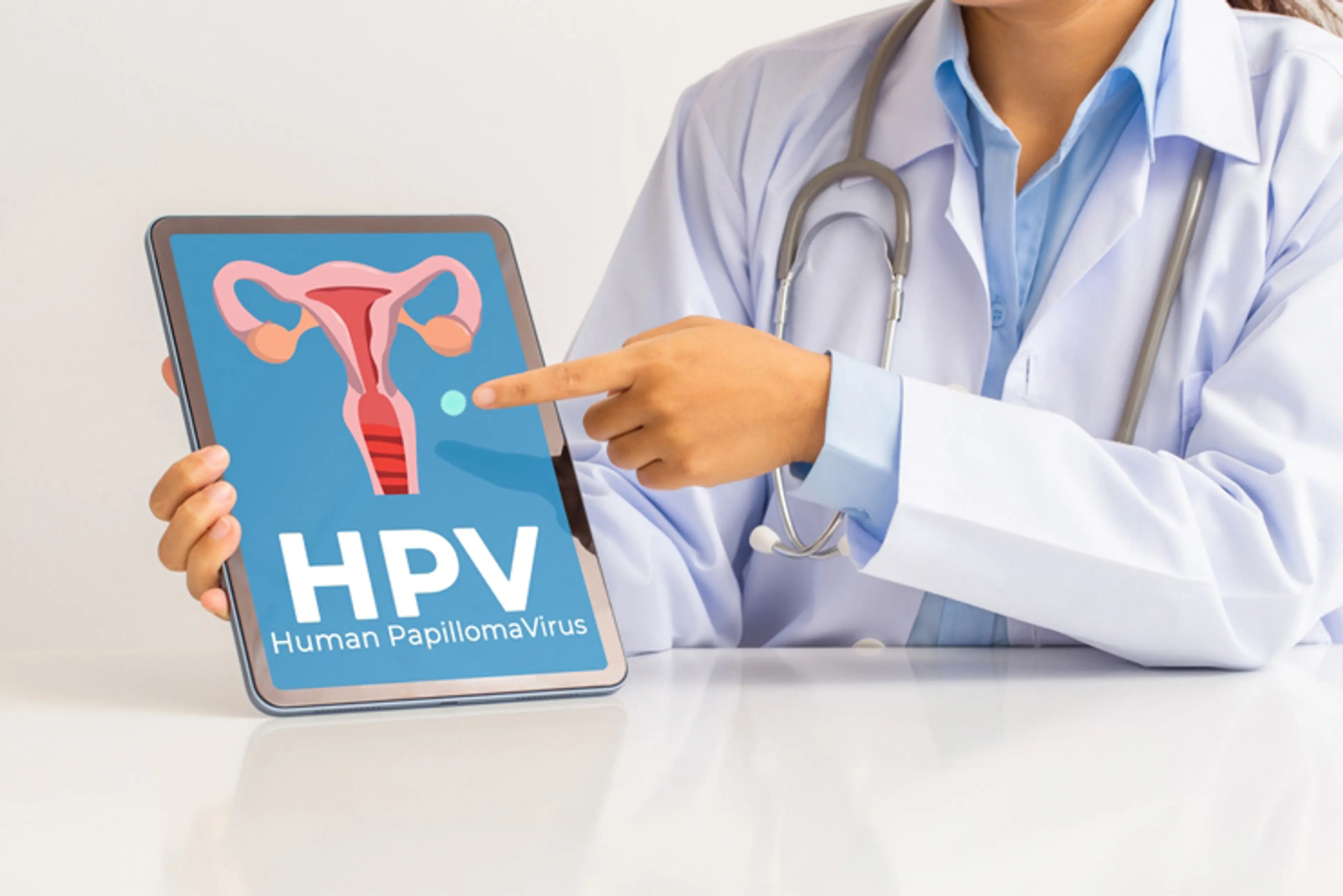
Human Papillomavirus (HPV) is not just a concern for adolescents. With over 200 known strains—many transmitted through sexual contact—HPV is a leading cause of several cancers, including cervical, anal, throat, and penile cancers. It also causes genital warts. Despite its wide prevalence, awareness remains low, especially among adults.
According to Dr. Seon-Hwa Jeong of Second Spring Women’s Clinic, "We see patients in their 30s and 40s who had no idea they could still benefit from the HPV vaccine. The reality is, it's a powerful tool for cancer prevention at nearly any adult age."
HPV is a group of viruses that infect the skin and mucous membranes. Most HPV infections are asymptomatic and go away on their own. However, persistent infection with high-risk HPV types can lead to cell changes that may develop into cancer over time. Low-risk HPV types may cause warts on the genitals, mouth, or throat.
HPV is so common that nearly all sexually active individuals will contract it at some point in their lives. Despite its ubiquity, not everyone knows that HPV can remain dormant and potentially reactivate years after the initial infection.
Vaccines like Gardasil 9 are designed to guard against the most cancer-causing strains of HPV. They work by prompting your immune system to build defenses before you're exposed to the virus. Though vaccination ideally occurs during adolescence, adults who haven't been fully vaccinated—or who may have been exposed to only some HPV strains—can still benefit.
Ages 11–12: Ideal for initiating vaccination
Ages 13–26: Strong recommendation by the CDC
Ages 27–45: Shared clinical decision-making with your doctor
Dr. Jeong adds, "We often tailor our recommendations based on lifestyle, medical history, and patient concerns."
Not at all. Even in your 30s or 40s, the HPV vaccine can offer critical protection. While it won’t treat existing infections, it can prevent future ones. This is especially important for adults with new or multiple sexual partners, as the risk of exposure persists well into adulthood.
Patients at Second Spring have shared stories of peace of mind after vaccination. One 39-year-old patient shared, "Getting vaccinated felt like closing a chapter on worry."
Clinical studies confirm that adults vaccinated up to age 45 gain measurable protection against high-risk HPV strains. Although immune response may be stronger in younger people, adults still benefit from reduced cancer risk and fewer new infections.
Reduced risk of cervical, anal, throat, and penile cancers
Lower incidence of genital warts
Protection even after some prior HPV exposure
At Second Spring, many patients express surprise when they learn the vaccine can still benefit them. "There’s a misconception that you missed the boat if you didn’t get vaccinated as a teen. That’s simply not true," says Dr. Jeong.
The HPV vaccine has a strong safety profile. Most side effects are mild:
Soreness or swelling at injection site
Fatigue
Headache
Low-grade fever
Severe reactions are extremely rare. If you have allergy concerns, consult with your healthcare provider.
Vaccines have been extensively studied over decades, and Gardasil 9, the current standard in HPV protection, has undergone rigorous clinical trials and ongoing safety monitoring.
The cost per dose ranges between $150 to $250, with most adults needing three doses. However, many insurance plans cover the HPV vaccine, particularly for those under 26. Uninsured patients may qualify for discounts or public health programs.
Financial assistance through local health departments
Flexible payment plans at private clinics
National Vaccine Injury Compensation Program (VICP) support if needed
At Second Spring Women’s Clinic, staff are trained to help patients navigate financial barriers and find affordable solutions.
Countries like the U.S., Australia, and several EU nations now recommend adult vaccination up to age 45. Locally, Second Spring Women’s Clinic supports this trend by making vaccines accessible and promoting education among adult patients.
Dr. Jeong notes, "More of our adult patients are proactively asking about HPV protection, which is encouraging."
In Australia, for example, national HPV vaccination programs have led to a near-elimination of cervical precancers among young women. Public health officials there are now focusing on adult outreach.
HPV vaccination complements regular screenings like Pap smears and HPV tests. For comprehensive care, Second Spring Women’s Clinic integrates vaccination into a broader women’s health strategy, offering:
Personalized consultations
Evidence-based guidance from Dr. Jeong
Follow-up care and screening support
This approach ensures that vaccination is just one part of a lifelong health and prevention plan.
One patient, a 34-year-old teacher, shared, "I was skeptical at first, but my OB-GYN recommended it. I felt empowered taking control of my future health."
Another patient, recently divorced and dating again in her 40s, noted, "This gave me peace of mind during a time of transition."
At Second Spring Women’s Clinic, we recognize the diverse life stages and health goals of our patients. Whether you're a young adult, planning a family, or navigating midlife health, our team offers compassionate, evidence-informed care.
Our services include:
One-on-one counseling about HPV risk
Personalized vaccine timing
Follow-up screening and education
Emotional support for vaccine anxiety or misinformation
Our mission is to create a safe, informed space for every woman to make empowered choices about her health.
The World Health Organization has identified HPV vaccination as a cornerstone of its global strategy to eliminate cervical cancer as a public health issue. Reaching adults who missed earlier vaccination is part of that goal.
By increasing adult vaccination rates, countries can:
Reduce long-term cancer care costs
Prevent thousands of cancer deaths
Improve quality of life across populations
At Second Spring Women’s Clinic, we’re committed to helping adults make informed, proactive decisions about HPV prevention. Whether you're just learning about the vaccine or ready to get started, our team is here to guide you.
Protect your future. Advocate for your health. It's not too late to take action.