Home / Articles
Is IV Therapy Safe? Expert Insights from a Seoul Clinic
Home / Articles
Is IV Therapy Safe? Expert Insights from a Seoul Clinic
Intravenous (IV) therapy has become a go-to wellness option for busy professionals, athletes, and those recovering from illness. But as its popularity grows in wellness circles and boutique clinics, a crucial question arises: is IV therapy truly safe for everyone?
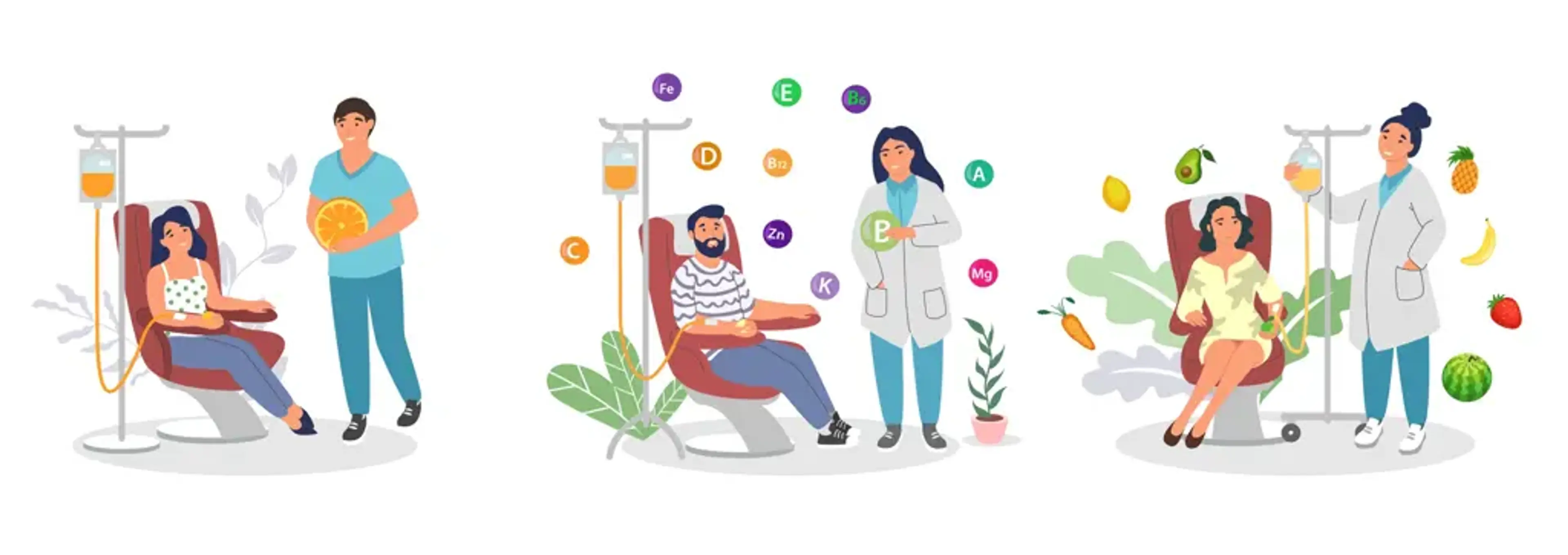
IV therapy involves delivering fluids, nutrients, or medications directly into your bloodstream via a vein. Because this bypasses your digestive system, it allows your body to absorb key ingredients quickly and in higher concentrations.
At Second Spring, treatments range from basic hydration to customized vitamin blends. Common options include:
What sets Second Spring apart? According to Dr. Hyejin Park, lead physician at the clinic, "Each treatment is curated after a thorough consultation. We don’t believe in one-size-fits-all drips."
In Seoul, IV therapy has gained traction not only among expats and business travelers but also among locals. Korean beauty and wellness trends emphasize preventative care and aesthetic longevity, and IV therapy fits neatly into this cultural framework.
Patients frequenting Second Spring range from students battling exam stress to older adults seeking immune support during seasonal transitions. The clinic even sees post-operative patients referred by dermatologists and plastic surgeons to aid in recovery.
"We’re seeing an increase in patients who want to support their body's natural processes, not replace them," says Dr. Park. "The key is education."
When administered in a medical-grade setting by trained professionals, IV therapy is generally very safe. At Second Spring, all infusions are overseen by licensed clinicians and follow strict sterile protocols.
"We take patient screening seriously," says Dr. Park. "IV therapy isn't just about plugging in a drip. We assess kidney function, hydration levels, and any pre-existing conditions first."
Still, risks can arise—particularly if performed at non-medical facilities or by untrained staff. Possible complications include:
That’s why patient education and proper clinic selection matter so much. Clinics that don’t evaluate a patient’s full medical history or offer generic blends without customization pose unnecessary risks.
Second Spring’s clinicians follow a meticulous protocol that starts before the patient ever reclines in the infusion chair:
"We’ve treated hundreds of patients without incident," confirms Minji Lee, a nurse practitioner. "But we don’t take shortcuts. Safety is non-negotiable."
At Second Spring, a typical session starts with a one-on-one assessment. Based on your needs—fatigue, immunity, skin tone, or stress recovery—the clinician recommends a personalized infusion.
After prepping the vein site (usually the forearm), the infusion begins and takes about 30–45 minutes. Patients can relax in heated recliners while sipping tea or listening to music. Some even bring laptops or books to use the time productively.
"Some of our patients say they feel a difference within minutes," notes Minji Lee. "Others notice better sleep or energy the next day."
Each bag contains a unique combination of ingredients. A common mix might include:
While many healthy individuals can benefit from occasional IV therapy, it's not for everyone. Caution is advised for:
Pregnant women (unless specifically advised by an OB-GYN)
Individuals with kidney or heart disease
Those on certain medications that affect fluid balance
People with known allergies to vitamins or additives
Dr. Park emphasizes: "It’s vital to disclose all health history before your first treatment. We sometimes adjust ingredients or advise against therapy altogether."
Patients who shouldn’t receive IV therapy are still welcome at the clinic for other forms of support, including nutritional counseling and herbal medicine. "We believe in integrative care—not pushing treatments that don’t fit," says Dr. Park.
One frequent visitor, Ji-yeon, a 34-year-old PR executive, receives monthly infusions for burnout prevention. "When I skip a session, I feel it," she explains. "My energy dips, and my skin loses that glow."
Another patient, a retired English teacher managing chronic fatigue, reports less brain fog and fewer colds after bi-monthly vitamin C drips. "It doesn’t replace my medications, but it complements my regimen," he notes.
These testimonials highlight a broader truth: IV therapy works best as part of a broader wellness strategy—not a standalone fix.
Clinical evidence is mixed. While IV therapy can restore hydration and correct certain deficiencies faster than oral supplements, it’s not a miracle cure.
"We never promise overnight health transformations," says Dr. Park. "What we do see is improved energy, mental clarity, and recovery in patients who are depleted or under stress."
Western medicine often reserves IVs for hospitals, but functional medicine practitioners argue that targeted infusions can be beneficial for prevention, not just correction.
Second Spring combines the two views by using IV therapy as one piece of a larger plan, often alongside blood testing, hormone panels, and dietary advice.
IV therapy in Seoul typically ranges from 120,000 to 300,000 KRW (around $90–$230 USD), depending on the formula and duration. While not covered by insurance, many patients view it as a preventative investment.
"Think of it like an internal tune-up," says Minji Lee. "If you’re constantly on-the-go or recovering from burnout, IV therapy can be part of your self-care toolkit."
The clinic offers membership packages for regular clients, which include discounts and access to seasonal blends, like immune support during winter or hydration therapy in Korea’s humid summer months.
Second Spring Women’s Clinic offers a grounded, evidence-informed approach to IV therapy, with patient safety at the center of every treatment. If you're in Seoul and curious about this wellness trend, it's one of the few places combining holistic care with clinical rigor.