Thriving Through Menopause: How Nutrition Can Ease the Transition

thriving-through-menopause:-how-nutrition-can-ease-the-transition

Menopause, marking the natural end of menstruation, typically arrives between ages 45 and 55. This phase is more than just the cessation of periods; it's a profound hormonal shift that influences nearly every aspect of health. Estrogen and progesterone levels drop, bringing symptoms like hot flashes, weight changes, sleep disturbances, and mood swings.

While these changes are universal, how women experience them isn't. At Second Spring Women’s Clinic in Eugene, Oregon, dietitian Lori Chen, RD, explains, "Nutrition isn't just supportive during menopause—it's foundational. The right foods can ease symptoms, protect bone density, and support heart and metabolic health."

The Hormonal Impact on Metabolism

the-hormonal-impact-on-metabolism

The decline in estrogen affects more than reproductive health. It slows metabolism, redistributes fat toward the abdomen, and increases the risk of heart disease and osteoporosis. Muscle mass also diminishes more rapidly, contributing to fatigue and a reduced calorie burn.

But these changes aren’t inevitable. Women who adjust their diets to include protein-rich foods, nutrient-dense vegetables, and heart-healthy fats often report more energy, better sleep, and less weight fluctuation.

"Think of nutrition during menopause as your body’s new engine oil. It's what keeps everything running smoothly," adds Lori Chen.

Critical Nutrients for Midlife Wellness

critical-nutrients-for-midlife-wellness

Certain nutrients take on increased importance during menopause:

  • Calcium & Vitamin D: Support bone density, which becomes especially vulnerable post-menopause. Dairy, fortified plant milks, leafy greens, and sunlight exposure are key sources.
  • Magnesium: Helps regulate mood, sleep, and blood sugar. Found in nuts, legumes, whole grains, and spinach.
  • Omega-3s: From fish like salmon or flaxseeds, these fats fight inflammation and protect the heart.
  • Vitamin E: An antioxidant that may soothe hot flashes and support skin health.
  • B Vitamins: Vital for energy metabolism and brain function, often depleted during hormonal shifts.
  • Iron: Important if you're still experiencing irregular cycles, but postmenopausal needs may decline.

Real Food, Real Impact: A Patient Story

real-food-real-impact:-a-patient-story

Susan, a 52-year-old patient at Second Spring, struggled with erratic sleep and mood dips. After working with Lori to shift toward a Mediterranean-style diet, her symptoms eased.

"I started eating more fish, nuts, and greens. Within a month, my energy came back," says Susan. "It was subtle, but I felt like myself again."

Susan's story isn't unique. Many women find that simple dietary changes lead to noticeable improvements. A reduction in processed foods, fewer refined carbs, and more whole, anti-inflammatory foods often translate into fewer symptoms and greater vitality.

Rethinking Protein After 45

rethinking-protein-after-45

As muscle mass naturally declines, protein becomes essential. Aim for a serving with every meal to help preserve strength and maintain metabolism.

  • Best Picks: Salmon, eggs, lentils, tofu, Greek yogurt, and chicken breast.
  • Pro Tip: Spread intake throughout the day for maximum absorption and muscle support.
  • Pair Wisely: Combining protein with complex carbs, like brown rice or quinoa, can further stabilize energy and blood sugar.

Protein also supports neurotransmitter production, helping regulate mood—a key consideration for women navigating emotional fluctuations.

Fats That Fuel Hormonal Health

fats-that-fuel-hormonal-health

Not all fats are foes. In fact, healthy fats are necessary for hormone production.

  • Avocados & Olive Oil: Rich in monounsaturated fats that support heart and hormone health.
  • Fatty Fish: Omega-3s reduce joint pain and mood swings.
  • Nuts & Seeds: Provide fiber and steady energy, while supporting estrogen balance.
  • Coconut Oil: Offers medium-chain triglycerides (MCTs) that may enhance cognitive function.

Avoid trans fats and heavily processed oils, which can spike inflammation. Instead, focus on fats that nourish and stabilize hormones.

Weight Gain: Prevention, Not Punishment

weight-gain:-prevention-not-punishment

Gaining weight during menopause is common, but not unmanageable. A smart approach focuses on balance:

  • Prioritize Fiber: Whole grains, beans, and vegetables keep you full and stabilize blood sugar.
  • Hydrate Often: Dehydration mimics hunger and exacerbates hot flashes.
  • Stay Active: Combine strength training with walking or yoga to maintain muscle and manage stress.
  • Avoid Skipping Meals: Irregular eating can cause energy dips and overeating later.

Sleep quality also plays a role. Poor sleep can drive hunger hormones and increase cravings. Consider foods like tart cherry juice or magnesium-rich snacks (pumpkin seeds, dark chocolate) before bed.

Foods That May Ease Hot Flashes

foods-that-may-ease-hot-flashes

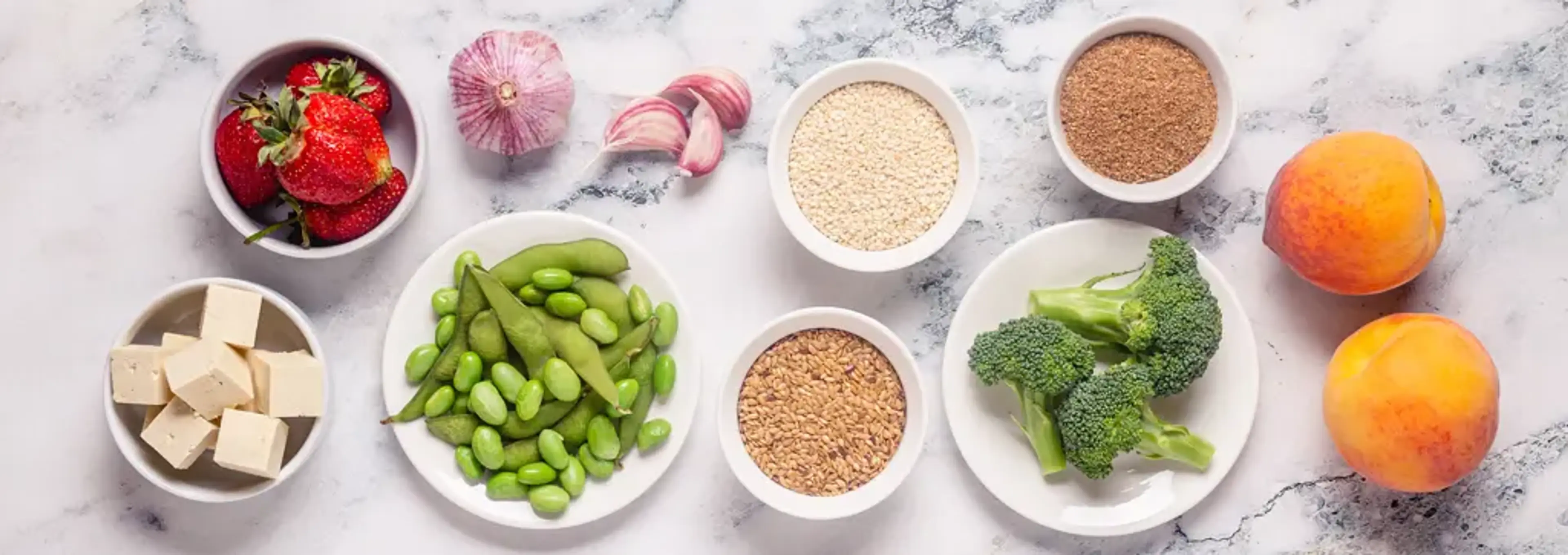
While diet isn’t a cure-all, phytoestrogens—plant compounds that mimic estrogen—may help balance hormones naturally.

  • Soy (tofu, tempeh, edamame)
  • Flaxseeds
  • Berries & Leafy Greens
  • Herbal Teas: Peppermint and sage are traditional cooling agents.
  • Cruciferous Vegetables: Broccoli, kale, and Brussels sprouts support estrogen detoxification.

Consistency matters. It can take weeks of regular intake for phytoestrogens to have an effect.

Fiber: The Unsung Hero

fiber:-the-unsung-hero

Digestive slowdowns are common in menopause. Fiber helps regulate bowels, manage cholesterol, and sustain energy.

  • Top Sources: Lentils, apples, oats, Brussels sprouts.
  • Additional Benefits: Fiber feeds gut bacteria, which in turn influences estrogen metabolism and mood stability.
  • Tip: Slowly increase fiber to 25-30g/day, and drink water to avoid bloating.

Embracing a Plant-Forward Diet

embracing-a-plant-forward-diet

You don’t have to go vegan to benefit from plant-based eating. Swapping in more legumes, vegetables, and whole grains can ease inflammation and support estrogen metabolism.

  • Start Simple: Try meatless Mondays or replace half your meat with beans in recipes.
  • Phytonutrient Power: Colorful produce brings antioxidants that protect cells during hormonal changes.
  • Boost Gut Health: A diverse plant diet feeds a diverse microbiome, linked to better immune and mental health.

Foods That May Worsen Symptoms

foods-that-may-worsen-symptoms

To feel your best, limit:

  • Caffeine & Alcohol: Both can worsen hot flashes and disrupt sleep.
  • Processed Snacks: Often high in sugar and unhealthy fats.
  • Refined Carbs: White bread and sugary cereals can spike blood sugar.
  • High-Sodium Foods: Can exacerbate bloating and high blood pressure.

Track how your body reacts. Some women find red wine or spicy foods trigger more severe symptoms, while others don’t.

Hydration: A Foundational Fix

hydration:-a-foundational-fix

Drinking water supports everything from skin elasticity to body temperature control. Aim for 8-10 cups daily. Herbal teas, water-rich fruits, and infused waters count too.

  • Infused Ideas: Lemon-cucumber, mint-lime, or berry-basil water.
  • Hydrating Foods: Watermelon, cucumbers, oranges, and lettuce.

If hot flashes or night sweats are intense, you may need more fluids to compensate for lost moisture.

Lifestyle Complements to Nutrition

lifestyle-complements-to-nutrition

Nutrition is powerful, but it's most effective when paired with supportive habits:

  • Movement: Try resistance bands, Pilates, swimming, or brisk walks.
  • Mindfulness: Meditation and deep breathing can reduce cortisol, the stress hormone that disrupts sleep and weight.
  • Sleep Hygiene: Stick to a wind-down routine, reduce screen time, and keep the bedroom cool.
  • Community: Support groups or wellness workshops can offer emotional and educational encouragement.

Final Thought: Individualized Nutrition Matters

final-thought:-individualized-nutrition-matters

Menopause doesn’t come with a one-size-fits-all manual. Whether you're struggling with hot flashes, brain fog, or stubborn weight gain, tailored nutrition can make a meaningful difference.

At Second Spring Women’s Clinic, our team specializes in crafting menopause wellness plans that reflect your unique biology and lifestyle.

"This isn’t about restriction," says Lori. "It’s about nourishment."

By choosing foods that stabilize hormones, protect bones, and energize your day, you can turn menopause into a chapter of empowerment and renewal.