Home / Articles
Pelvic Floor Exercises for Bladder Control & Core Strength
Home / Articles
Pelvic Floor Exercises for Bladder Control & Core Strength
Pelvic floor muscles act as the unsung heroes of our lower torso. These interconnected muscles and tissues form a supportive hammock for your bladder, bowel, and—if you're female—your uterus. When functioning well, they help maintain continence, support sexual function, and stabilize posture. But factors like pregnancy, aging, high-impact sports, or even extended sitting can weaken them.
Dr. Seon-Hwa Jeong, a pelvic health specialist at Second Spring Women’s Clinic, explains: "Many patients don’t realize the pelvic floor is integral to everyday functions. When these muscles weaken, issues like urinary leakage or pelvic heaviness often follow."
Bladder control issues, particularly stress urinary incontinence (SUI), are often linked to pelvic floor dysfunction. Common symptoms include urine leakage when sneezing, coughing, or laughing. "Pelvic floor muscles help keep the urethra closed," says Dr. Jeong. "When they’re weak, this mechanism falters."
Beyond bladder control, a well-conditioned pelvic floor offers wide-ranging benefits:
Here are evidence-backed movements recommended by pelvic health therapists:
Every body and life stage brings unique needs:
Correct technique is critical. Look out for these signs:
You’re engaging only the pelvic floor—not the abs or glutes.
There's no discomfort or strain.
Over weeks, symptoms like leakage decrease.
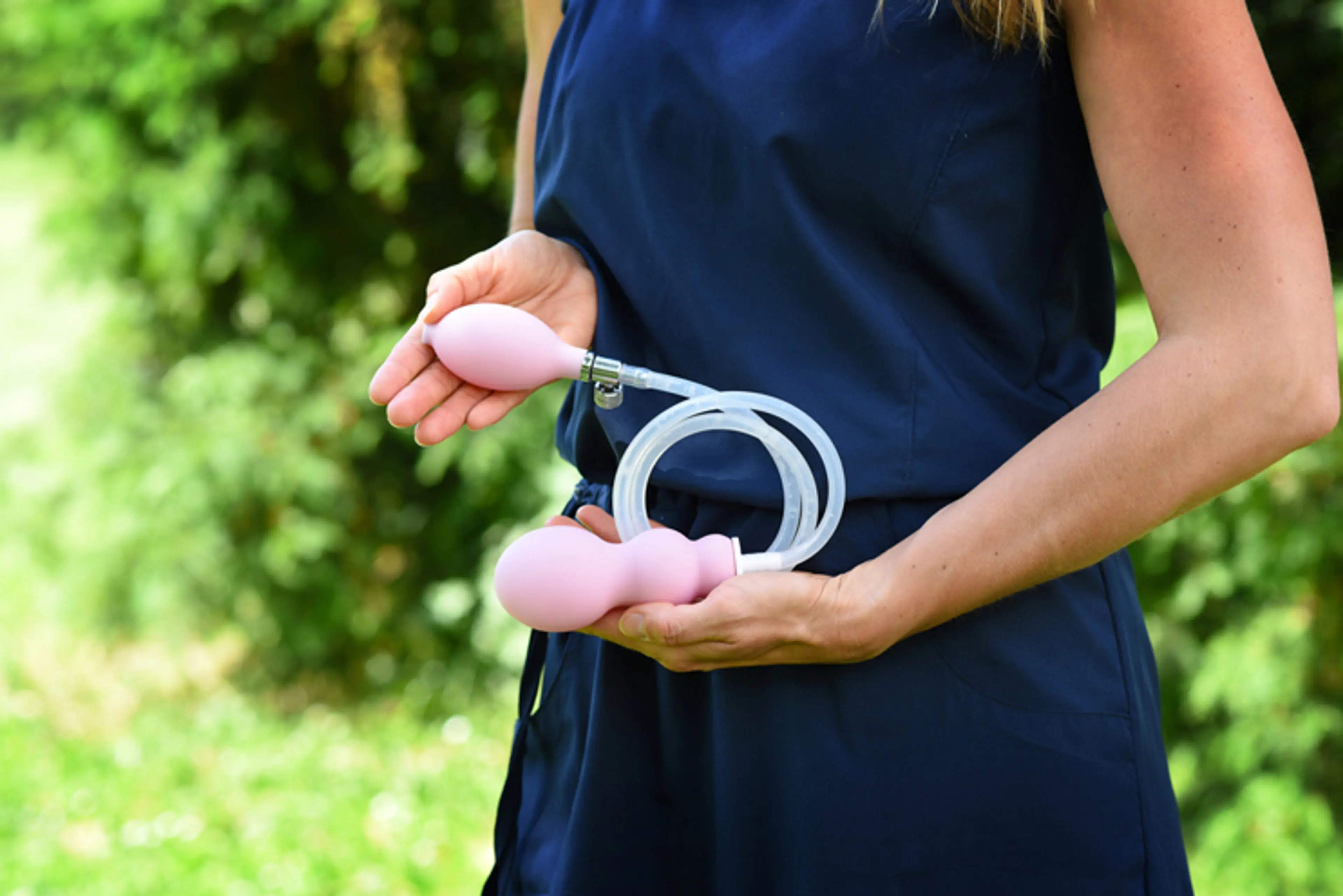
Biofeedback devices or guided therapy can help fine-tune your technique. Try visualizing the pelvic floor lifting upward and inward as you breathe out.
Pelvic floor dysfunction can manifest as:
Persistent leakage unresponsive to exercise
A heavy, bulging sensation in the pelvis
Pain during intercourse or while performing exercises
If symptoms persist, a pelvic floor therapist can assess your muscle tone and guide tailored rehab. At Second Spring Women’s Clinic, patients receive a detailed evaluation using real-time ultrasound and electromyography (EMG) to ensure precision-based training.
Maria, 42, came to Second Spring after struggling with postpartum incontinence for over a year. Despite doing Kegels daily, she saw little improvement. "It wasn’t until I worked with a pelvic floor therapist and learned how to isolate the right muscles that I started seeing progress," she says. Within 10 weeks of supervised therapy, Maria reported a 90% improvement in symptoms and a significant boost in confidence.
Beyond bodyweight moves, consider:
With over 400 million people globally affected by incontinence, awareness is growing fast. Pelvic exercises are now widely endorsed by groups like the American Physical Therapy Association (APTA) and the World Health Organization (WHO).
Social media influencers and medical advocates alike have helped demystify these exercises, making pelvic health a mainstream wellness goal.
In countries like Sweden and Australia, pelvic floor training is offered as standard postnatal care. Mobile apps like Elvie and Perifit are helping users track and gamify their training.
Just like any muscle group, the pelvic floor needs time to recover. Overworking these muscles can cause fatigue or imbalance. Include rest days and focus on breathing exercises and gentle stretches to promote circulation.
Pelvic floor activation pairs best with proper breathing. Try the "360-degree breathing" method—inhale deeply into the ribs, belly, and back, then exhale as you lift the pelvic floor. This synergy enhances control and reduces tension.
Pelvic floor health isn’t just about preventing leaks—it’s foundational to core strength, sexual wellness, and aging gracefully. As Dr. Jeong emphasizes, "Consistent pelvic training has the potential to dramatically improve one’s day-to-day quality of life."
If you’re unsure where to start or want a personalized plan, schedule a consultation with Second Spring Women’s Clinic. Our team of pelvic health experts is here to help you reclaim control, confidence, and comfort—one rep at a time.