Home / Articles
Real Stories & Expert Advice on Endometriosis Care
Home / Articles
Real Stories & Expert Advice on Endometriosis Care
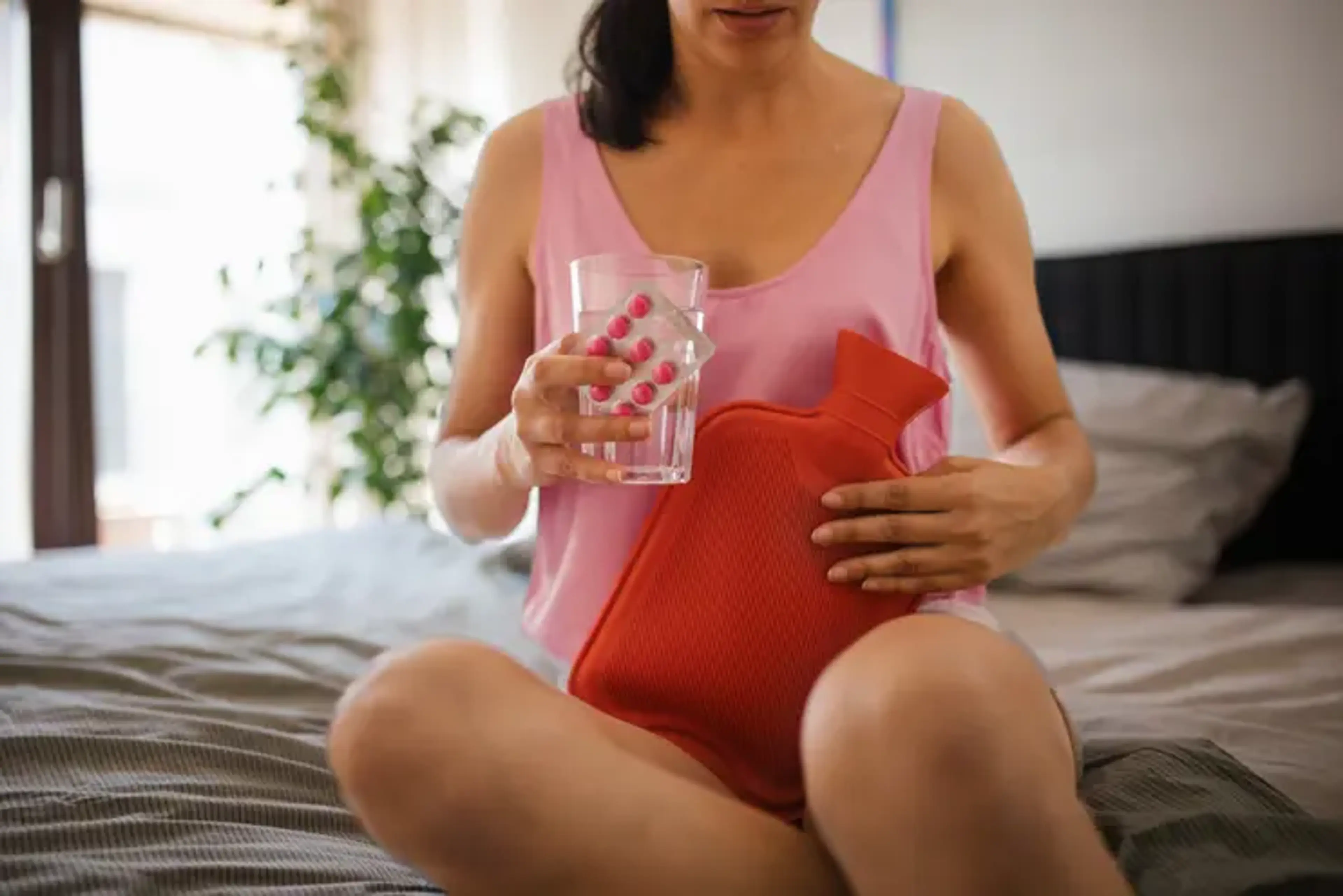
When Katrina was finally diagnosed with endometriosis after years of unexplained pain and missed workdays, she described it as a "relief." "I finally had a name for what was controlling my life," she said. Like Katrina, millions of women around the world live with this often misunderstood condition, sometimes for years without proper diagnosis or treatment.
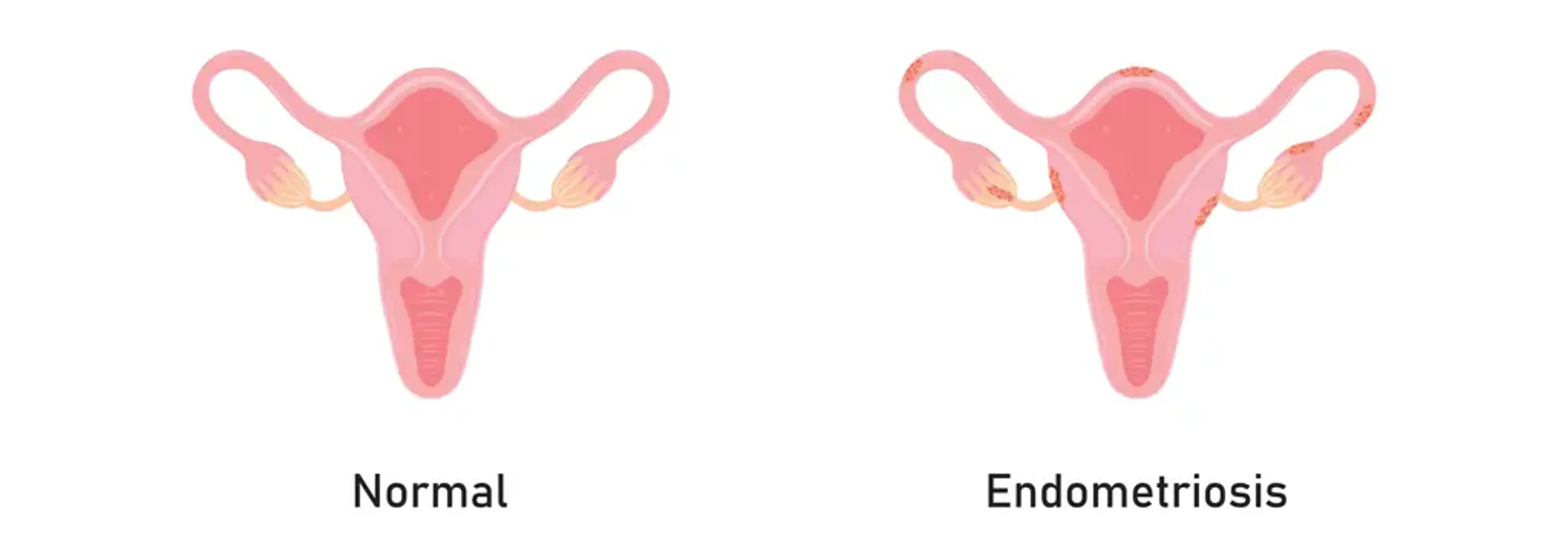
Endometriosis occurs when tissue similar to the lining of the uterus grows outside the womb—on the ovaries, fallopian tubes, or even the bladder and intestines. These tissues respond to the menstrual cycle, leading to inflammation, scarring, and intense pain.
Though its exact cause remains elusive, research points to several contributing factors:
"We suspect it’s not a single cause," explains Dr. Seon-Hwa Jeong, gynecologic surgeon at Second Spring Women’s Clinic. "It’s likely a complex interplay of genetics, immune health, and environmental triggers."
Other factors being explored include hormonal imbalances, environmental toxins such as dioxins, and even early-life exposure to certain endocrine-disrupting chemicals. Lifestyle and diet, while not definitive causes, may also influence how severely the disease manifests.
Interestingly, some researchers have hypothesized that endometriosis may stem from fetal cell origins—meaning that displaced endometrial-like tissue could be present from birth but activated by hormonal changes during puberty. This embryonic theory adds a new layer of complexity to how the disease is understood and studied.
Endometriosis doesn't look the same in everyone. Some women have mild symptoms; others, like Katrina, experience life-altering pain. Common signs include:
Many of these symptoms are misattributed to conditions like IBS or anxiety, delaying diagnosis by years. According to recent studies, the average delay from symptom onset to diagnosis is nearly 8 years.
Additional signs can include painful urination or bowel movements, especially during menstruation. For some, the symptoms worsen over time, while others may see their symptoms fluctuate or remain stable.
"Endometriosis made my periods unbearable," Katrina recalls. "I’d bleed for over a week, barely able to stand."
Endometrial lesions bleed and swell during the menstrual cycle, just like uterine lining—but outside the uterus, this blood has nowhere to go. This causes intense cramps, prolonged or irregular periods, and heavy bleeding with clots. Women often describe a deep, aching sensation that radiates into the lower back and thighs, making daily function nearly impossible.
In some cases, endometriosis can cause bleeding between periods, known as intermenstrual bleeding. This spotting adds to the confusion and may be mistaken for hormonal imbalances or unrelated reproductive issues.
Endometriosis can damage the ovaries, block fallopian tubes, or create an inflammatory environment that makes conception difficult. However, many women do go on to have children.
"Fertility preservation is often part of the conversation," says Dr. Jeong. "We offer egg freezing and IVF options depending on the patient’s goals and disease stage."
Studies show that surgical removal of endometrial implants can significantly improve the chances of natural conception in some women. For others, assisted reproductive technologies such as IVF may offer the best hope.
Endometriosis-related infertility is not always permanent. For some women, hormonal suppression before attempting conception may improve fertility outcomes. Moreover, careful timing of intercourse or insemination, guided by a fertility specialist, can be helpful.
Unfortunately, there’s no simple blood test or scan for endometriosis. Diagnosis typically involves:
"We’ve seen cases where imaging looks normal, but laparoscopy reveals extensive disease," Dr. Jeong notes.
Some new diagnostic methods under study include specialized blood tests, such as those analyzing CA-125 levels, and molecular imaging techniques. These innovations aim to reduce the delay in diagnosis and provide earlier intervention opportunities.
AI-based symptom tracking tools and wearable technology may soon revolutionize how endometriosis is monitored, potentially improving long-term care outcomes.
Treatment plans are customized, and may include:
Second Spring Women’s Clinic takes a multidisciplinary approach, often integrating:
In some cases, long-term hormonal suppression may help manage symptoms, especially in women who are not trying to conceive. Injectable treatments, such as Depo-Provera, and hormonal implants offer alternatives for sustained symptom control.
If symptoms are severe or resistant to medication, surgery may be recommended:
"Surgery isn't a cure," Dr. Jeong cautions. "But for the right patient, it can be life-changing."
Postoperative care includes physical therapy, hormonal suppression, and regular follow-ups. Patients are encouraged to track symptoms and report any recurrence to adjust their management plan.
Scar tissue from surgery must be carefully managed to prevent new adhesions. Follow-up imaging and symptom journals help guide recovery and spot early signs of recurrence.
The toll of endometriosis extends beyond physical pain. Many women experience anxiety, depression, and isolation.
Mental health practitioners with experience in chronic illness can help address the identity shifts, grief, and relationship strains that often accompany endometriosis.
Partners of women with endometriosis may also benefit from support and education. Couples therapy and open dialogue can strengthen relationships impacted by the condition’s emotional and physical demands.
While diet is not a cure, many patients report symptom relief from:
Exercise, particularly low-impact activities like yoga, swimming, and Pilates, can improve circulation and reduce pain.
Acupuncture and herbal therapies are also used as complementary treatments. However, always consult your physician before starting alternative remedies.
Some women benefit from working with a registered dietitian experienced in endometriosis. Personalized nutrition plans may help identify triggers and optimize hormonal balance.
Sleep hygiene, hydration, and stress reduction practices—such as mindfulness meditation and journaling—can enhance overall well-being and complement medical treatment.
Biotech companies are exploring the use of AI for early detection through symptom tracking apps and predictive algorithms. Stem cell therapy and immunomodulation are also on the radar.
Clinical trials are testing novel treatments, including selective progesterone receptor modulators (SPRMs), which may offer a safer hormonal option. Meanwhile, researchers continue to investigate the genetic basis of endometriosis to better understand why some individuals are more severely affected.
Global initiatives aim to create standardized guidelines for diagnosis and care, bridging the treatment gap between regions and increasing access to expert care.
Endometriosis is more than "bad cramps." It’s a systemic, often debilitating condition that deserves early detection, comprehensive care, and emotional support.
At Second Spring Women’s Clinic, Dr. Seon-Hwa Jeong and her team provide personalized treatment plans, combining the latest medical techniques with empathetic care. Whether you're navigating pain, infertility, or uncertainty—you're not alone.