Home / Articles
Triple Anterior Vaginal Wall Surgery in Korea | Expert Care
Home / Articles
Triple Anterior Vaginal Wall Surgery in Korea | Expert Care
Triple anterior vaginal wall surgery is more than a clinical fix—it’s a life-enhancing procedure that restores pelvic strength and supports long-term health. At Second Spring Women’s Clinic in Seoul, under the expert hands of Dr. Seon Hwa Jeong, this advanced surgery is helping women regain control over their bodies and daily lives.
Pelvic organ prolapse can deeply affect mobility, confidence, and intimacy. This procedure reinforces the anterior vaginal wall, the structure responsible for supporting vital organs like the bladder and urethra. Whether caused by childbirth, aging, menopause, or prior surgeries, the weakening of this area can lead to discomfort and disruption. Triple anterior repair offers a targeted, durable solution.
The surgery addresses multiple points of weakness within the anterior compartment, a region that is particularly prone to prolapse due to the pressures placed on it during pregnancy, vaginal delivery, and the natural aging process. Unlike isolated anterior colporrhaphy, the "triple" approach reinforces upper, middle, and distal aspects of the anterior wall, providing a comprehensive repair. This significantly reduces the likelihood of recurrent prolapse and improves functional outcomes for urinary continence and sexual health.
Left untreated, pelvic organ prolapse can become increasingly debilitating. Symptoms like bladder leakage, pelvic pressure, and painful intercourse often worsen over time. According to Dr. Jeong, “Many of our patients tell us they waited years, thinking the discomfort was just part of aging. But once treated, they wish they had come sooner.”
Prolapse not only affects physical comfort but can also contribute to depression, anxiety, and a diminished sense of femininity. The social stigma surrounding pelvic floor disorders often prevents women from seeking timely treatment. Raising awareness is essential to empowering women to take charge of their pelvic health.
When conservative treatments like pessaries or Kegel exercises are no longer effective, surgical intervention becomes essential. Triple anterior vaginal wall repair directly resolves structural damage, offering lasting support and symptom relief. In many cases, patients report dramatic improvements in both quality of life and self-esteem.
Korea’s leadership in minimally invasive gynecological surgery is globally recognized. What sets Korean clinics apart is not just the technology but the ethos of care. At Second Spring Women’s Clinic, patients receive customized treatment plans, advanced imaging diagnostics, and recovery-focused surgical methods.
Korean surgeons often integrate techniques drawn from both Western and Eastern medicine, emphasizing precision, reduced trauma, and long-term function. These surgical philosophies prioritize tissue preservation and holistic recovery—an approach that resonates deeply with international patients.
“Our use of reinforced sutures and biologic grafts minimizes recurrence rates while preserving natural anatomy,” explains Dr. Jeong, who is a board-certified OB-GYN with affiliations to the Korean Society of Obstetrics and Gynecology.
Second Spring’s approach includes the use of dynamic pelvic floor MRI to map the individual anatomy of each patient. This enables surgeons to make real-time decisions on how best to reconstruct the pelvic fascia and ligaments, ensuring long-lasting success.
Nestled in Seoul’s Apgujeong district, Second Spring Women’s Clinic is a hub for cutting-edge pelvic surgery. The clinic offers:
Dr. Jeong adds, “We see patients from the U.S., Singapore, and the Middle East. What they share is a desire to be treated with dignity and receive lasting results.”
Her fluency in English and experience working with diverse patient populations make her especially sought after among medical tourists. The clinic also assists with travel logistics, including hotel partnerships and post-op check-ins via telemedicine.
Patients undergo a thorough evaluation, including pelvic imaging and a review of lifestyle and health factors. This ensures a tailored approach. Pre-operative instructions often include temporary medication adjustments and dietary guidelines. Hormonal evaluation may be conducted for postmenopausal patients, as estrogen deficiency can affect tissue healing.
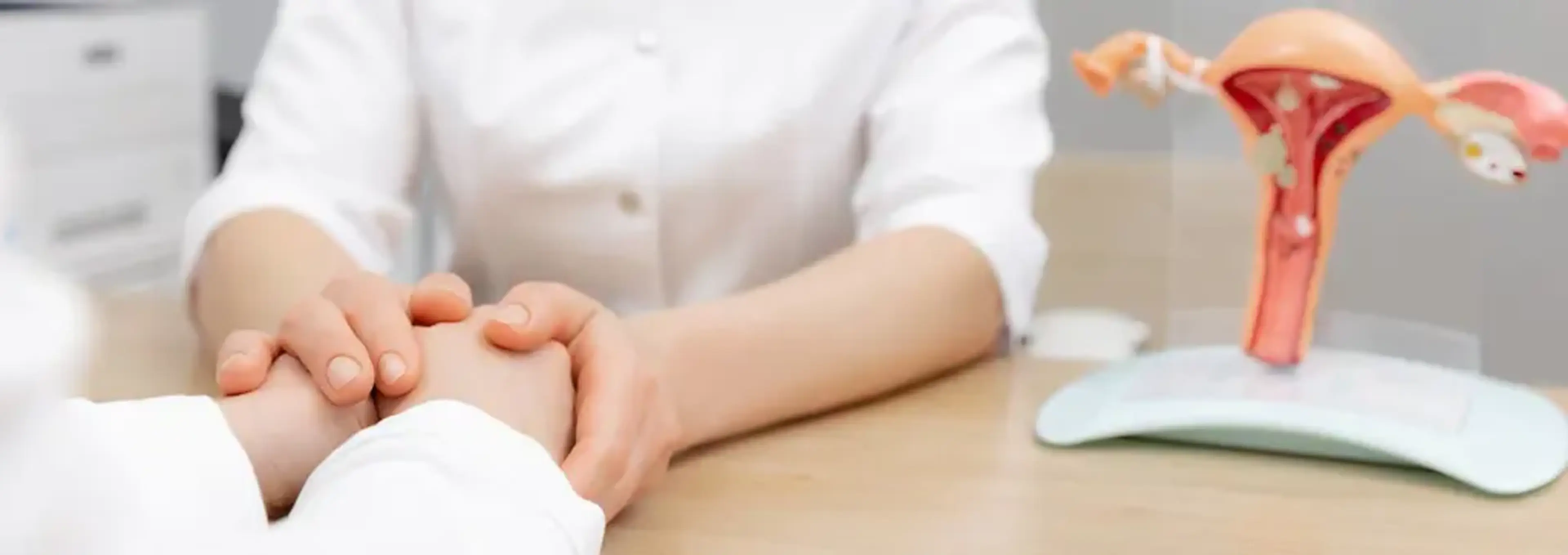
Educational consultations help demystify the procedure. Patients are shown anatomical models, and potential outcomes are discussed transparently to ensure alignment with expectations.
Performed under anesthesia, the surgery typically lasts 1–2 hours. Dr. Jeong strengthens the anterior vaginal wall using fine sutures and, when necessary, bio-compatible graft materials. The approach focuses on anatomical restoration without excessive scarring.
Depending on the severity of prolapse, the surgery may include paravaginal repairs to correct lateral defects and restore the natural curvature of the vaginal canal. Every stitch is placed with precision to avoid tension, which can lead to complications like pain or recurrence.
Recovery is a staged process:
Follow-ups at the clinic or via telemedicine help track healing and offer guidance. Patients receive a detailed recovery booklet, and a nurse coordinator remains available via WhatsApp for ongoing support.
One 48-year-old patient from Los Angeles shared, “After years of embarrassment and discomfort, I flew to Korea on a friend’s recommendation. The results have been incredible. Dr. Jeong changed my life.”
Another patient praised the clinic’s emotional support: “From my first call to post-op check-ins, I felt understood and cared for.”
A third patient from Dubai remarked on the clinic’s transparency: “They walked me through every step and even connected me with a past patient who shared her story. That personal touch made all the difference.”
These stories reflect the blend of clinical excellence and heartfelt care that defines Second Spring’s patient experience.
While complications are rare, potential risks include:
Infection
Discomfort during recovery
Minimal scarring
Rare prolapse recurrence
There may also be temporary urinary retention or irritation, which typically resolve within days. Second Spring mitigates these risks through precision surgery, strict infection protocols, and personalized recovery plans. Dr. Jeong emphasizes the importance of realistic goals: “Surgery is transformative, but it’s part of a broader journey toward pelvic health.”
Patients are encouraged to maintain long-term pelvic floor health through routine check-ups and lifestyle adjustments such as weight management and core strengthening exercises.
If you’ve been silently coping with pelvic pressure, urinary incontinence, or emotional distress, know that expert help exists. Triple anterior vaginal wall surgery at Second Spring offers a proven path to comfort and confidence.
The clinic welcomes patients of all ages and backgrounds and provides a confidential, respectful space to explore treatment options. For many, the decision to pursue surgery is not just about physical recovery but emotional renewal.
Schedule a consultation to explore your options. Rediscover freedom, strength, and vitality—with care that sees you as a whole woman, not just a condition.