Home / Articles
Vaginal Tightening After Menopause: Benefits, Success Stories & Solutions
Home / Articles
Vaginal Tightening After Menopause: Benefits, Success Stories & Solutions
Menopause marks a major turning point in a woman's life, typically occurring around the age of 50, bringing with it a host of physical changes. Among these, the decline in estrogen levels is one of the most impactful, leading to changes in the vaginal tissues that can affect both appearance and function. Vaginal dryness and a loss of tone, known as vaginal laxity, are common issues faced by many women during this time. These symptoms, though natural, can significantly affect a woman’s self-esteem, sexual wellness, and overall quality of life.
Fortunately, innovative non-surgical treatments such as vaginal tightening procedures have emerged, offering effective solutions to address these concerns. In this article, we will explore why these treatments are gaining popularity, how they work, and real-life examples of how they’ve transformed the lives of women after menopause.
As women transition through menopause, one of the most noticeable changes is the drop in estrogen production. Estrogen plays a vital role in maintaining vaginal moisture, elasticity, and collagen levels. Without it, the vaginal tissues can become thinner, drier, and less flexible, leading to discomfort during sexual activity and a general feeling of vaginal looseness, known as vaginal laxity.
This combination of dryness and reduced elasticity can diminish sexual pleasure, cause discomfort, and lead to a decline in intimacy. For many women, these changes can also impact their emotional well-being, resulting in a decrease in sexual confidence and the desire for intimacy.
However, addressing these issues doesn’t have to involve invasive surgery. Today, non-invasive vaginal tightening treatments are providing women with a practical solution that helps restore vaginal tone, moisture, and overall health without the need for a lengthy recovery.
Vaginal laxity is more than just a physical condition—it can affect a woman’s sexual health and emotional intimacy. The loss of tone in the vaginal walls can make intercourse less pleasurable, leading to a decrease in sexual satisfaction. This, in turn, can cause feelings of embarrassment or frustration, affecting relationships and emotional well-being.
For many women, the emotional toll of vaginal laxity is as significant as the physical discomfort. The sensation of vaginal looseness may cause them to avoid sexual activity or feel self-conscious during intimacy. As menopause brings additional challenges like mood swings and hot flashes, the impact of these changes on a woman’s sexual health can be profound.
Vaginal tightening treatments offer a way to address both the physical and emotional aspects of sexual wellness. By improving vaginal elasticity, these procedures can help enhance sensation during intercourse, leading to better sexual satisfaction and greater confidence in intimacy.
As awareness of non-surgical options for vaginal rejuvenation grows, more women are choosing vaginal tightening treatments to restore vaginal health and improve their sexual wellness. There are several key reasons for this growing trend:
Vaginal tightening treatments use advanced technologies to stimulate collagen production in the vaginal tissues, which restores their elasticity and moisture. Two of the most popular methods include laser vaginal rejuvenation and radiofrequency therapy.
While non-invasive treatments are effective for many women, there are also surgical options available for those seeking more permanent results. However, most women prefer the convenience and minimal discomfort of non-surgical procedures.
Many women who have undergone vaginal tightening treatments share positive outcomes, both physically and emotionally. For example, Sarah, 47, a mother of three, underwent laser vaginal rejuvenation after experiencing vaginal laxity and dryness following menopause. She explains, "I didn’t realize how much it affected my confidence until I felt the change after the treatments. It wasn’t just physical—it was emotional. I felt like myself again, and that made all the difference in my relationship."
Similarly, Linda, 55, shares her experience with radiofrequency therapy. "I had discomfort during intimacy for months, and I just thought it was something I had to live with. After just one session, I noticed a difference. The dryness was gone, and I felt tighter. It’s made such a difference in my life," she says.
With several options available, choosing the right vaginal tightening procedure depends on your specific needs and goals. For many women, non-invasive treatments like laser vaginal rejuvenation or radiofrequency therapy are the preferred choice due to their ease, safety, and quick results.
Consulting with a qualified healthcare provider is essential to determine the best treatment plan. At Second Spring Women's Clinic, Dr. Seon-Hwa Jeong and her team offer personalized consultations to assess each patient’s needs, ensuring they choose the most effective treatment option for their unique situation.
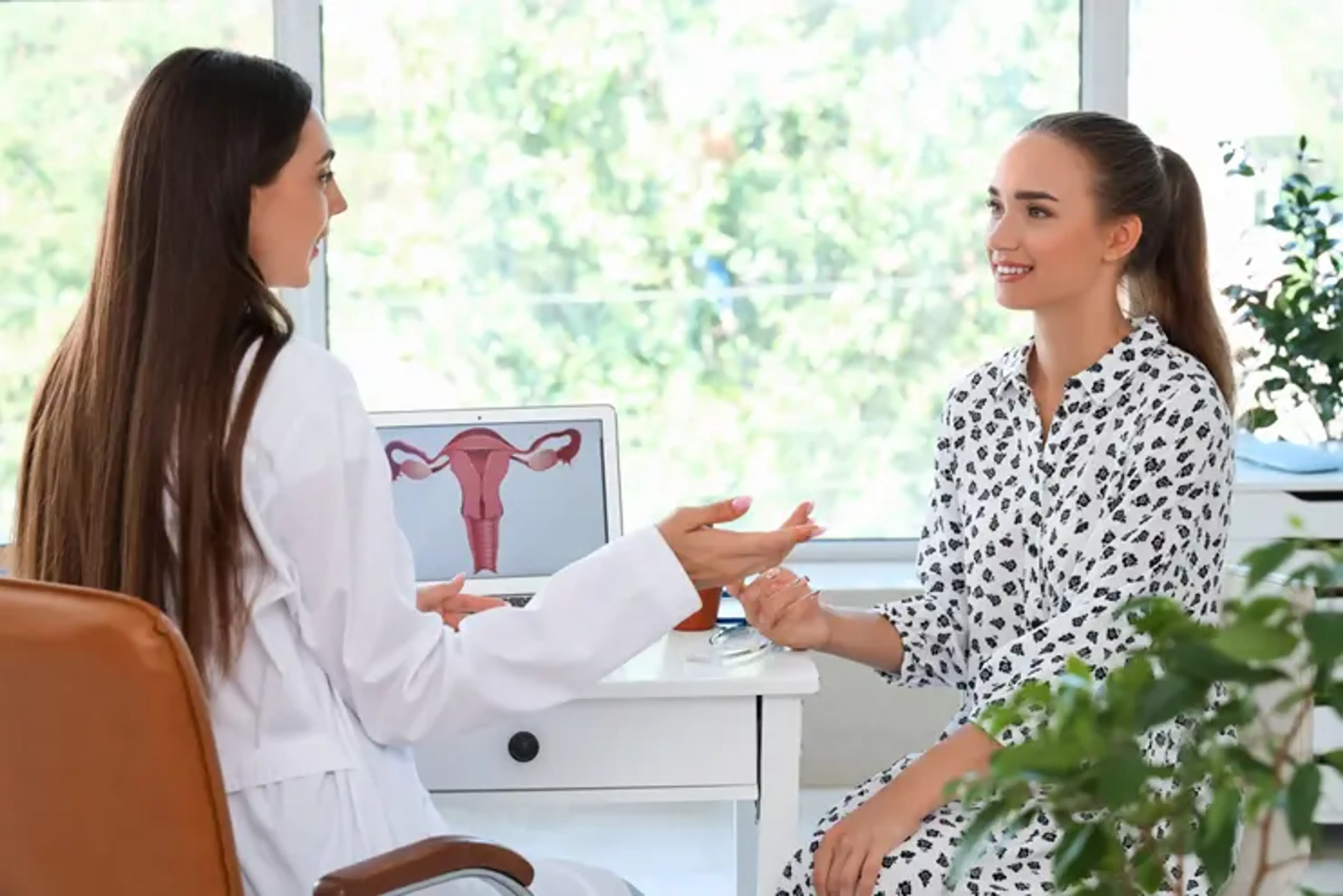
The vaginal tightening process begins with a consultation where your medical history and symptoms are reviewed. Based on this information, Dr. Jeong will recommend the best course of treatment. Most sessions last between 15 to 30 minutes, and many women experience minimal discomfort, requiring no anesthesia. Recovery time is quick, and most patients can resume their daily activities immediately.
Over the course of a few sessions, many women notice improvements in vaginal tone, moisture, and sexual satisfaction, with results typically lasting several months to a year.